
Qranit, həddindən artıq möhkəmliyi, sıxlığı, davamlılığı və korroziyaya davamlılığına görə karxanadan çıxarılan bir növ maqmatik süxurdur. Lakin qranit həm də çox yönlüdür - yalnız kvadratlar və düzbucaqlılar üçün deyil! Əslində, biz müntəzəm olaraq bütün variasiyaların formalarında, bucaqlarında və əyrilərində dizayn edilmiş qranit komponentləri ilə əla nəticələrlə inamla işləyirik.
Ən müasir emal texnologiyalarımız sayəsində kəsilmiş səthlər olduqca düz ola bilər. Bu keyfiyyətlər qraniti xüsusi ölçülü və xüsusi dizaynlı maşın bazaları və metrologiya komponentləri yaratmaq üçün ideal material halına gətirir. Qranit:
■ emal edilə bilən
■ kəsildikdə və bitirildikdə dəqiq şəkildə düz
■ paslanmaya davamlı
■ davamlı
■ uzunömürlü
Qranit komponentlərini təmizləmək də asandır. Xüsusi dizaynlar hazırlayarkən, üstün üstünlüklərinə görə qranit seçdiyinizə əmin olun.
STANDARTLAR / YÜKSƏK GEYİM TƏTBİQLƏRİ
ZHHIMG tərəfindən standart səth lövhələri məhsullarımız üçün istifadə edilən qranit yüksək kvars tərkibinə malikdir ki, bu da aşınmaya və zədələnməyə qarşı daha yüksək müqavimət təmin edir. Superior Black rənglərimiz aşağı su udma nisbətlərinə malikdir və bu da dəqiqlik ölçən cihazlarınızın lövhələrə yapışarkən paslanma ehtimalını minimuma endirir. ZHHIMG tərəfindən təklif olunan qranitin rəngləri daha az parıltıya səbəb olur ki, bu da lövhələrdən istifadə edən şəxslər üçün daha az göz yorğunluğu deməkdir. Bu aspekti minimum səviyyədə saxlamaq üçün istilik genişlənməsini nəzərə alaraq qranit növlərimizi seçmişik.
XÜSUSİ TƏTBİQLƏR
Tətbiqiniz xüsusi formalı, yivli əlavələr, yuvalar və ya digər emal üsullarına malik lövhə tələb etdikdə, Black Jinan Black kimi bir material seçməlisiniz. Bu təbii material üstün sərtlik, əla vibrasiya susdurma və təkmilləşdirilmiş emal qabiliyyəti təklif edir.
Qeyd etmək vacibdir ki, təkcə rəng daşın fiziki keyfiyyətlərinin göstəricisi deyil. Ümumiyyətlə, qranitin rəngi birbaşa mineralların mövcudluğu və ya olmaması ilə bağlıdır ki, bu da yaxşı səth lövhəsi materialını təşkil edən keyfiyyətlərə heç bir təsir göstərməyə bilər. Səth lövhələri üçün əla olan çəhrayı, boz və qara qranitlər, eləcə də dəqiq tətbiqlər üçün tamamilə yararsız olan qara, boz və çəhrayı qranitlər mövcuddur. Qranitin səth lövhəsi materialı kimi istifadəsinə aid olan kritik xüsusiyyətlərinin rənglə heç bir əlaqəsi yoxdur və bunlar aşağıdakılardır:
■ Sərtlik (yük altında əyilmə - Elastiklik Modulu ilə göstərilir)
■ Sərtlik
■ Sıxlıq
■ Aşınma müqaviməti
■ Sabitlik
■ Məsaməlilik
Biz bir çox qranit materialını sınaqdan keçirdik və bu materialları müqayisə etdik. Nəhayət, nəticəni əldə etdik ki, Jinan qara qraniti indiyə qədər bildiyimiz ən yaxşı materialdır. Hindistan qara qraniti və Cənubi Afrika qraniti Jinan Qara Qranitinə bənzəyir, lakin onların fiziki xüsusiyyətləri Jinan Qara Qranitindən daha azdır. ZHHIMG dünyada daha çox qranit materialı axtarmağa və onların fiziki xüsusiyyətlərini müqayisə etməyə davam edəcək.
Layihəniz üçün uyğun qranit haqqında daha çox danışmaq üçün bizimlə əlaqə saxlayıninfo@zhhimg.com.
Müxtəlif istehsalçılar fərqli standartlardan istifadə edirlər. Dünyada bir çox standartlar mövcuddur.
Spesifikasiyaları üçün əsas kimi DIN Standard, ASME B89.3.7-2013 və ya Federal Spesifikasiya GGG-P-463c (Qranit Səth Plitələri) və s.-ni götürmək olar.
Və biz sizin tələblərinizə uyğun olaraq qranit dəqiqlik yoxlama lövhəsi istehsal edə bilərik. Daha çox standart haqqında daha çox məlumat əldə etmək istəyirsinizsə, bizimlə əlaqə saxlamağa xoş gəlmisiniz.
Düzlük, səthdəki bütün nöqtələrin iki paralel müstəvidə, əsas müstəvidə və dam müstəvisində yerləşməsi kimi qəbul edilə bilər. Müstəvilər arasındakı məsafənin ölçülməsi səthin ümumi düzlüyüdür. Bu düzlük ölçüsü ümumiyyətlə tolerantlığa malikdir və dərəcə təyinatını da əhatə edə bilər.
Məsələn, üç standart dərəcə üçün düzlük tolerantlıqları federal spesifikasiyada aşağıdakı düsturla müəyyən edildiyi kimi müəyyən edilir:
■ Laboratoriya Dərəcəsi AA = (40 + diaqonal kvadrat/25) x .000001" (tək tərəfli)
■ Yoxlama dərəcəsi A = Laboratoriya dərəcəsi AA x 2
■ Alət Otağı B dərəcəsi = Laboratoriya dərəcəsi AA x 4.
Standart ölçülü səth lövhələri üçün, bu spesifikasiyanın tələblərini aşan düzlük tolerantlığına zəmanət veririk. Düzlüyə əlavə olaraq, ASME B89.3.7-2013 və Federal Spesifikasiya GGG-P-463c aşağıdakı mövzuları əhatə edir: təkrar ölçmə dəqiqliyi, səth lövhəsi qranitlərinin material xüsusiyyətləri, səthin rənglənməsi, dayaq nöqtəsinin yeri, sərtlik, məqbul yoxlama üsulları, yivli əlavələrin quraşdırılması və s.
ZHHIMG qranit səth lövhələri və qranit yoxlama lövhələri bu spesifikasiyada göstərilən bütün tələblərə cavab verir və ya onları üstələyir. Hazırda qranit bucaq lövhələri, paralellər və ya əsas kvadratlar üçün müəyyən bir spesifikasiya yoxdur.
Və digər standartlar üçün düsturları burada tapa bilərsinizYÜKLƏ.
Birincisi, lövhəni təmiz saxlamaq vacibdir. Havada olan aşındırıcı toz, adətən, lövhədə ən böyük aşınma və cırılma mənbəyidir, çünki o, iş parçalarına və ölçmə cihazlarının təmas səthlərinə hopmağa meyllidir. İkincisi, lövhəni tozdan və zədədən qorumaq üçün örtün. Aşınma ömrünü istifadə edilmədikdə lövhəni örtməklə, tək bir sahənin həddindən artıq istifadəyə məruz qalmaması üçün lövhəni vaxtaşırı fırlatmaqla və ölçmə cihazındakı polad təmas yastıqlarını karbid yastıqları ilə əvəz etməklə uzatmaq olar. Həmçinin, lövhəyə yemək və ya alkoqolsuz içkilər qoymaqdan çəkinin. Nəzərə alın ki, bir çox alkoqolsuz içkilərdə ya karbonat, ya da fosfor turşusu var ki, bu da daha yumşaq mineralları həll edə və səthdə kiçik çuxurlar yarada bilər.
Bu, boşqabın necə istifadə olunmasından asılıdır. Mümkünsə, boşqabı günün əvvəlində (və ya iş növbəsində) və sonunda yenidən təmizləməyi məsləhət görürük. Əgər boşqab, xüsusən də yağlı və ya yapışqan mayelərlə çirklənərsə, dərhal təmizlənməlidir.
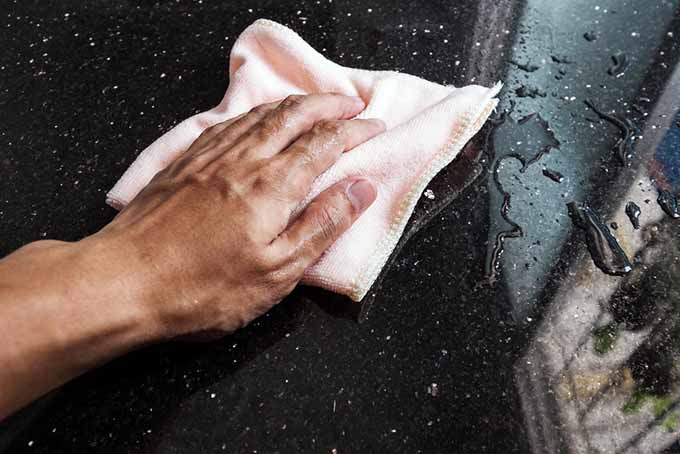
Lövhəni müntəzəm olaraq maye və ya ZHHIMG Susuz səth lövhəsi təmizləyicisi ilə təmizləyin. Təmizləyici məhlulların seçimi vacibdir. Uçucu bir həlledici (aseton, lak durulaşdırıcısı, spirt və s.) istifadə edildikdə, buxarlanma səthi soyudacaq və deformasiyaya uğradacaq. Bu halda, istifadə etməzdən əvvəl lövhənin normallaşmasına icazə vermək lazımdır, əks halda ölçmə xətaları baş verəcək.
Plitənin normallaşması üçün tələb olunan vaxt plitənin ölçüsündən və soyutma miqdarından asılı olaraq dəyişəcək. Kiçik plitələr üçün bir saat kifayət olmalıdır. Daha böyük plitələr üçün iki saat lazım ola bilər. Su əsaslı təmizləyici istifadə olunarsa, buxarlandırıcı soyutma da olacaq.
Plitə həmçinin suyu saxlayacaq və bu, səthlə təmasda olan metal hissələrin paslanmasına səbəb ola bilər. Bəzi təmizləyicilər quruduqdan sonra yapışqan bir qalıq da buraxacaq ki, bu da havadakı tozu cəlb edəcək və aşınmanı azaltmaq əvəzinə artıracaq.
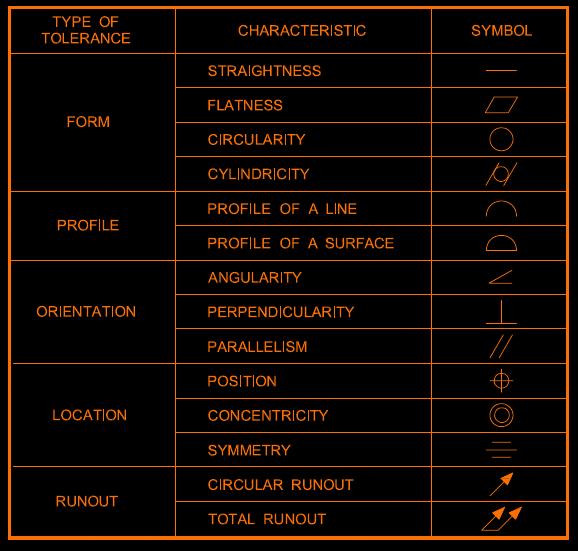
Bu, lövhənin istifadəsindən və mühitindən asılıdır. Yeni lövhə və ya dəqiq qranit aksesuarının satın alındıqdan sonra bir il ərzində tam yenidən kalibrlənməsini tövsiyə edirik. Qranit səth lövhəsi sıx istifadəyə məruz qalarsa, bu intervalı altı aya qədər qısaltmaq məsləhət görülə bilər. Elektron səviyyə və ya oxşar cihaz istifadə edərək təkrar ölçmə səhvləri üçün aylıq yoxlama hər hansı bir inkişaf edən aşınma ləkələrini göstərəcək və yerinə yetirilməsi yalnız bir neçə dəqiqə çəkəcək. İlk yenidən kalibrləmənin nəticələri müəyyən edildikdən sonra, kalibrləmə intervalı daxili keyfiyyət sisteminizin icazə verdiyi və ya tələb etdiyi kimi uzadıla və ya qısaldıla bilər.
Qranit səth lövhənizi yoxlamağa və kalibrləməyə kömək etmək üçün xidmət təklif edə bilərik.

Kalibrləmələr arasında fərqlərin bir neçə mümkün səbəbi var:
- Səth kalibrləmədən əvvəl isti və ya soyuq məhlul ilə yuyulmuş və normallaşması üçün kifayət qədər vaxt verilməmişdir.
- Plitə düzgün dəstəklənmir
- Temperatur dəyişikliyi
- Qaralamalar
- Plitənin səthinə birbaşa günəş işığı və ya digər şüalanma istilik düşməsin. Üstdən gələn işıqlandırmanın səthi qızdırmadığından əmin olun
- Qış və yay arasında şaquli temperatur qradiyentindəki dəyişikliklər (Mümkünsə, kalibrləmə aparıldığı zaman şaquli qradiyent temperaturunu bilin.)
- Göndərildikdən sonra lövhənin normallaşması üçün kifayət qədər vaxt verilmədi
- Yoxlama avadanlığının düzgün istifadə edilməməsi və ya kalibrlənməmiş avadanlığın istifadəsi
- Aşınma nəticəsində səth dəyişikliyi
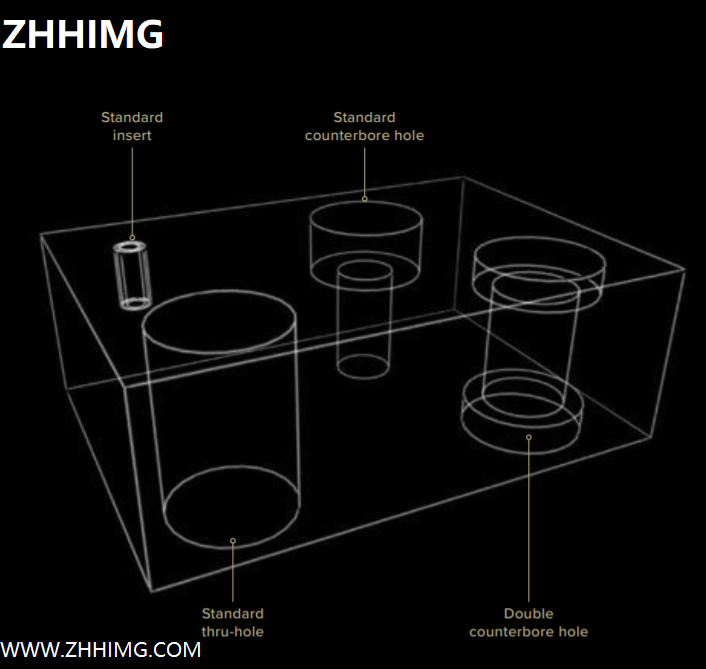
Dəqiq qranitdə neçə növ deşik var?
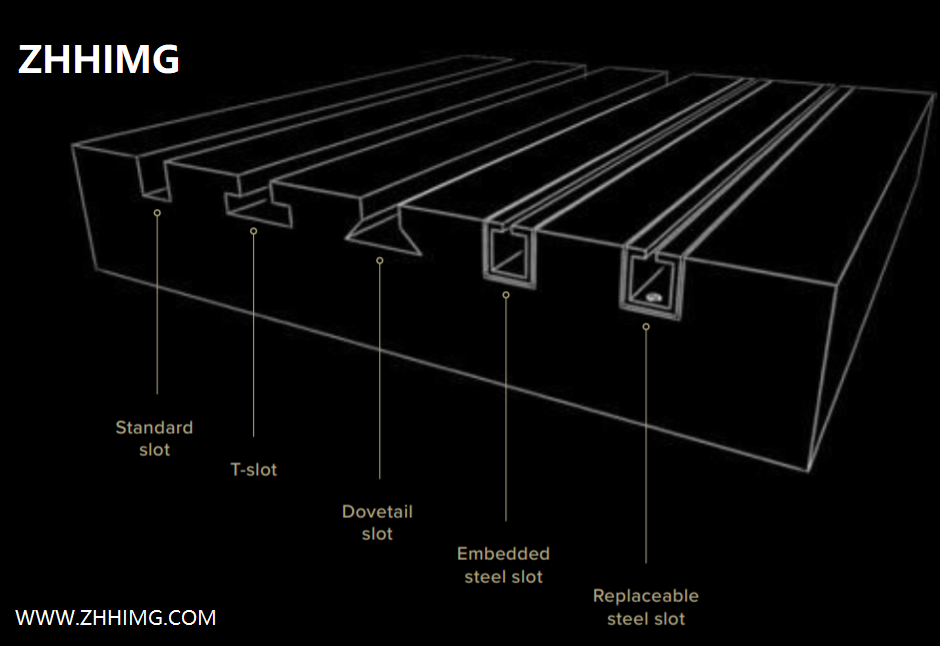
Dəqiq Qranit Komponentlərindəki Yuvalar
Bir çox fabrik, yoxlama otaqları və laboratoriyalar üçün dəqiq ölçmə üçün əsas kimi dəqiq qranit səth lövhələrinə etibar edilir. Hər bir xətti ölçmə son ölçülərin götürüldüyü dəqiq istinad səthindən asılı olduğundan, səth lövhələri emaldan əvvəl iş yoxlaması və düzülüşü üçün ən yaxşı istinad müstəvisini təmin edir. Onlar həmçinin hündürlük ölçmələri və səthlərin ölçülməsi üçün ideal əsaslardır. Bundan əlavə, yüksək dərəcədə düzlük, sabitlik, ümumi keyfiyyət və işçilik onları mürəkkəb mexaniki, elektron və optik ölçü sistemlərinin quraşdırılması üçün yaxşı seçim halına gətirir. Bu ölçmə proseslərinin hər hansı biri üçün səth lövhələrinin kalibrlənməsi vacibdir.
Ölçmələri və Düzlüyü Təkrarlayın
Həm düzlük, həm də təkrar ölçmələr dəqiq səthi təmin etmək üçün vacibdir. Düzlük, səthdəki bütün nöqtələrin iki paralel müstəvidə, əsas müstəvidə və dam müstəvisində yerləşməsi kimi qəbul edilə bilər. Müstəvilər arasındakı məsafənin ölçülməsi səthin ümumi düzlüyüdür. Bu düzlük ölçüsü ümumiyyətlə tolerantlığa malikdir və dərəcə təyinatını da əhatə edə bilər.
Üç standart dərəcə üçün düzlük tolerantlıqları federal spesifikasiyada aşağıdakı düsturla müəyyən edilir:
DIN Standard, GB Standard, ASME Standard, JJS standartı... fərqli stendli fərqli ölkələr...
Standart haqqında daha ətraflı məlumat.
Düzlükdən əlavə, təkrarlanma təmin edilməlidir. Təkrar ölçmə yerli düzlük sahələrinin ölçülməsidir. Bu, lövhənin səthində istənilən yerdə aparılan və göstərilən tolerantlıq daxilində təkrarlanan bir ölçmədir. Yerli düzlüyü ümumi düzlükdən daha sərt bir tolerantlığa qədər idarə etmək, səth düzlüyü profilində tədricən dəyişikliyi təmin edir və bununla da yerli səhvləri minimuma endirir.
Səth lövhəsinin həm düzlük, həm də təkrar ölçmə spesifikasiyalarına cavab verməsini təmin etmək üçün qranit səth lövhələri istehsalçıları spesifikasiyaları üçün əsas kimi GGG-P-463c Federal Spesifikasiyasından istifadə etməlidirlər. Bu standart təkrar ölçmə dəqiqliyini, səth lövhəsi qranitin material xüsusiyyətlərini, səthin rənglənməsini, dayaq nöqtəsinin yerini, sərtliyini, məqbul yoxlama metodlarını və yivli əlavələrin quraşdırılmasını əhatə edir.
Plitə Dəqiqliyinin Yoxlanılması
Bir neçə sadə qaydaya əməl etməklə, qranit səth lövhəsinə qoyulan investisiya uzun illər davam etməlidir. Lövhənin istifadəsindən, emalatxana mühitindən və tələb olunan dəqiqlikdən asılı olaraq, səth lövhəsinin dəqiqliyinin yoxlanılması tezliyi dəyişir. Ümumi qayda olaraq, yeni lövhənin satın alındıqdan sonra bir il ərzində tam yenidən kalibrlənməsi lazımdır. Lövhənin tez-tez istifadə edildiyi təqdirdə, bu intervalı altı aya endirmək məsləhətdir.
Səth lövhəsi ümumi düzlük üçün spesifikasiyadan kənara çıxmazdan əvvəl, aşınmış və ya dalğalı dirəklər görünəcək. Təkrar ölçmə cihazından istifadə edərək təkrar ölçmə səhvləri üçün aylıq yoxlama aşınma ləkələrini müəyyən edəcək. Təkrar ölçmə cihazı yerli xətanı aşkar edən və yüksək böyüdücü elektron gücləndiricidə göstərilə bilən yüksək dəqiqlikli bir cihazdır.
Effektiv yoxlama proqramına avtokollimatorla müntəzəm yoxlamalar daxil edilməlidir ki, bu da Milli Standartlar və Texnologiya İnstitutuna (NIST) izlənilə bilən ümumi düzlüyün faktiki kalibrlənməsini təmin etməlidir. Zaman zaman istehsalçı və ya müstəqil şirkət tərəfindən hərtərəfli kalibrləmə zəruridir.
Kalibrləmələr Arasındakı Variasiyalar
Bəzi hallarda, səth lövhələrinin kalibrlənməsi arasında fərqlər mövcuddur. Bəzən aşınma nəticəsində səth dəyişikliyi, yoxlama avadanlığının səhv istifadəsi və ya kalibrlənməmiş avadanlığın istifadəsi kimi amillər bu fərqləri izah edə bilər. Lakin ən çox yayılmış iki amil temperatur və dayaqdır.
Ən vacib dəyişənlərdən biri temperaturdur. Məsələn, səth kalibrləmədən əvvəl isti və ya soyuq məhlul ilə yuyulmuş və normallaşması üçün kifayət qədər vaxt verilməmiş ola bilər. Temperatur dəyişikliyinin digər səbəblərinə soyuq və ya isti havanın qaralmaları, birbaşa günəş işığı, yuxarıdan işıqlandırma və ya lövhənin səthində digər şüalanma istilik mənbələri daxildir.
Qış və yay arasında şaquli temperatur qradiyentində də dəyişikliklər ola bilər. Bəzi hallarda, lövhənin daşınmadan sonra normallaşması üçün kifayət qədər vaxt verilmir. Kalibrləmə aparıldığı zaman şaquli qradiyent temperaturunu qeyd etmək yaxşı bir fikirdir.
Kalibrləmə dəyişikliyinin digər ümumi səbəbi, lövhənin düzgün dəstəklənməməsidir. Səth lövhəsi üç nöqtədə dəstəklənməlidir, ideal olaraq lövhənin uclarından uzunluğun 20%-i içəridə olmalıdır. İki dayaq uzun tərəflərdən eninin 20%-i içəridə, qalan dayaq isə mərkəzdə olmalıdır.
Dəqiq səthdən başqa hər hansı bir səth üzərində yalnız üç nöqtə möhkəm dayana bilər. Plitəni üçdən çox nöqtədə dəstəkləməyə çalışmaq, lövhənin istehsal zamanı dəstəkləndiyi üç nöqtə ilə eyni olmayan müxtəlif üç nöqtə kombinasiyalarından dəstək almasına səbəb olacaq. Bu, lövhənin yeni dayaq düzülüşünə uyğunlaşmaq üçün əyilməsi nəticəsində səhvlərə səbəb olacaq. Düzgün dayaq nöqtələri ilə bir xətt çəkmək üçün hazırlanmış dayaq şüaları olan polad dayaqlardan istifadə etməyi düşünün. Bu məqsəd üçün dayaqlar ümumiyyətlə səth lövhəsi istehsalçısından əldə edilə bilər.
Əgər lövhə düzgün şəkildə dayaqlanıbsa, dəqiq hamarlama yalnız tətbiq tərəfindən göstərildiyi təqdirdə lazımdır. Düzgün dayaqlanmış lövhənin dəqiqliyini qorumaq üçün hamarlama tələb olunmur.
Plitənin ömrünü uzatın
Bir neçə qaydaya riayət etmək qranit səth lövhəsindəki aşınmanı azaldacaq və nəticədə ömrünü uzadacaq.
Birincisi, lövhəni təmiz saxlamaq vacibdir. Havada olan aşındırıcı toz, adətən, lövhədə ən böyük aşınma və yırtılma mənbəyidir, çünki o, iş parçalarına və ölçü cihazlarının təmas səthlərinə hopmağa meyllidir.
Həmçinin, lövhələri tozdan və zədələrdən qorumaq üçün onları örtmək vacibdir. İstifadə edilmədikdə lövhəni örtməklə aşınma ömrünü uzatmaq olar.
Tək bir sahənin həddindən artıq istifadə edilməməsi üçün lövhəni vaxtaşırı çevirin. Həmçinin, ölçmə cihazlarındakı polad kontakt yastıqlarını karbid yastıqları ilə əvəz etmək tövsiyə olunur.
Yemək və ya alkoqolsuz içkiləri boşqaba qoymaqdan çəkinin. Bir çox alkoqolsuz içkilərdə ya karbon, ya da fosfor turşusu olur ki, bu da daha yumşaq mineralları həll edə və səthində kiçik çuxurlar yarada bilər.
Harada təkrarlamaq olar
Qranit səth lövhəsinin yenidən səthlənməsinə ehtiyac olduqda, bu xidmətin yerində, yoxsa kalibrləmə müəssisəsində aparılmasını nəzərdən keçirin. Lövhənin fabrikdə və ya xüsusi bir müəssisədə yenidən yapışdırılması həmişə üstünlük təşkil edir. Lakin, lövhə çox pis aşınmayıbsa, ümumiyyətlə tələb olunan tolerantlıqdan 0,001 düym daxilindədirsə, yerində yenidən səthləşdirilə bilər. Əgər lövhə tolerantlıqdan 0,001 düymdən çox aşınıbsa və ya pis şəkildə çuxurlanıbsa və ya yarılıbsa, yenidən yapışdırmadan əvvəl üyüdülməsi üçün fabrikə göndərilməlidir.
Kalibrləmə müəssisəsində lövhənin düzgün kalibrlənməsi və zəruri hallarda yenidən işlənməsi üçün optimal şərait təmin edən avadanlıq və zavod parametrləri mövcuddur.
Yerində kalibrləmə və səth təmiri üzrə mütəxəssis seçərkən çox diqqətli olmaq lazımdır. Akkreditasiya üçün müraciət edin və texnikin istifadə edəcəyi avadanlığın izlənilə bilən kalibrlənməsinə malik olduğunu yoxlayın. Təcrübə də vacib amildir, çünki dəqiq qranit döşəməni necə düzgün şəkildə sürtməyi öyrənmək uzun illər çəkir.
Kritik ölçmələr dəqiq qranit səth lövhəsindən əsas xətt kimi başlayır. Düzgün kalibrlənmiş səth lövhəsindən istifadə etməklə etibarlı bir istinad təmin etməklə istehsalçılar etibarlı ölçmələr və daha keyfiyyətli hissələr üçün vacib vasitələrdən birinə malikdirlər.Q
Kalibrləmə Variasiyaları üçün Yoxlama Siyahısı
1. Səth kalibrləmədən əvvəl isti və ya soyuq məhlul ilə yuyulmuş və normallaşması üçün kifayət qədər vaxt verilməmişdir.
2. Plitə düzgün şəkildə dəstəklənmir.
3. Temperatur dəyişikliyi.
4. Qaralamalar.
5. Plitənin səthinə birbaşa günəş işığı və ya digər istilik şüaları düşməsin. Üstdən işıqlandırmanın səthi qızdırmadığından əmin olun.
6. Qış və yay arasında şaquli temperatur qradiyentindəki dəyişikliklər. Mümkünsə, kalibrləmə aparıldığı zaman şaquli qradiyent temperaturunu bilin.
7. Göndərildikdən sonra lövhənin normallaşması üçün kifayət qədər vaxt verilməyib.
8. Yoxlama avadanlığının düzgün istifadə edilməməsi və ya kalibrlənməmiş avadanlığın istifadəsi.
9. Aşınma nəticəsində yaranan səth dəyişikliyi.
Texniki məsləhətlər
- Hər xətti ölçmə, son ölçülərin alındığı dəqiq bir istinad səthindən asılı olduğundan, səth lövhələri emaldan əvvəl iş yoxlaması və düzülüşü üçün ən yaxşı istinad müstəvisini təmin edir.
- Yerli düzlüyün ümumi düzlükdən daha sərt bir tolerantlığa qədər idarə olunması, səth düzlüyü profilində tədricən dəyişikliyi təmin edir və bununla da yerli səhvləri minimuma endirir.
- Effektiv yoxlama proqramına avtokollimatorla müntəzəm yoxlamalar daxil edilməlidir ki, bu da Milli Təftiş Orqanına izlənilə bilən ümumi düzlüyün faktiki kalibrlənməsini təmin etməlidir.
Qraniti təşkil edən mineral hissəcikləri arasında 90%-dən çoxu feldispat və kvarsdır ki, bunlardan feldispat ən çoxdur. Feldispat çox vaxt ağ, boz və ətli qırmızı rəngdə olur və kvars əsasən rəngsiz və ya bozumtul ağ rəngdədir ki, bu da qranitin əsas rəngini təşkil edir. Feldispat və kvars sərt minerallardır və polad bıçaqla hərəkət etdirmək çətindir. Qranitdəki tünd ləkələrə, əsasən qara slyudaya gəldikdə isə, bəzi digər minerallar da var. Biotit nisbətən yumşaq olsa da, stresə qarşı müqavimət qabiliyyəti zəif deyil və eyni zamanda az miqdarda qranit, çox vaxt 10%-dən az miqdarda olur. Bu, qranitin xüsusilə möhkəm olduğu maddi vəziyyətdir.
Qranitin möhkəm olmasının digər bir səbəbi, onun mineral hissəciklərinin bir-birinə sıx bağlı olması və bir-birinin içinə yerləşməsidir. Məsamələr çox vaxt süxurun ümumi həcminin 1%-dən az hissəsini təşkil edir. Bu, qranitə güclü təzyiqlərə davam gətirmə qabiliyyəti verir və nəmin asanlıqla nüfuz etməsinə imkan vermir.
Qranit komponentləri paslanmayan, turşu və qələvi müqavimətinə malik, yaxşı aşınmaya davamlı və uzun xidmət müddəti olan daşdan hazırlanır, xüsusi baxım tələb etmir. Qranit dəqiq komponentləri əsasən maşınqayırma sənayesinin alətlərində istifadə olunur. Buna görə də, onlar qranit dəqiq komponentləri və ya qranit komponentləri adlanır. Qranit dəqiq komponentlərinin xüsusiyyətləri əsasən qranit platformalarının xüsusiyyətləri ilə eynidir. Qranit dəqiq komponentlərinin alətlərə girişi və ölçülməsi: Dəqiq emal və mikro emal texnologiyası maşınqayırma sənayesinin vacib inkişaf istiqamətləridir və yüksək texnologiya səviyyəsini ölçmək üçün vacib bir göstəriciyə çevrilib. Qabaqcıl texnologiyanın və müdafiə sənayesinin inkişafı dəqiq emal və mikro emal texnologiyasından ayrılmazdır. Qranit komponentləri ölçmə zamanı durğunluq olmadan hamar şəkildə sürüşdürülə bilər. İş səthinin ölçülməsi, ümumi cızıqlar ölçmə dəqiqliyinə təsir etmir. Qranit komponentləri tələb tərəfinin tələblərinə uyğun olaraq dizayn edilməli və istehsal edilməlidir.
Tətbiq sahəsi:
Hamımızın bildiyimiz kimi, getdikcə daha çox maşın və avadanlıq dəqiq qranit komponentlərini seçir.
Qranit komponentləri dinamik hərəkət, xətti mühərriklər, cmm, cnc, lazer maşını üçün istifadə olunur...
Daha çox məlumat üçün bizimlə əlaqə saxlamağınıza xoş gəlmisiniz.
Qranit ölçmə cihazları və qranit mexaniki komponentləri yüksək keyfiyyətli Jinan Black qranitindən hazırlanmışdır. Yüksək dəqiqliyi, uzunömürlülüyü, yaxşı stabilliyi və korroziyaya davamlılığı sayəsində onlar müasir sənayenin məhsul yoxlamasında və mexaniki aerokosmik və elmi tədqiqatlar kimi elmi sahələrdə getdikcə daha çox istifadə olunur.
Üstünlüklər
----Çuqundan iki dəfə sərtdir;
----Ölçüdə minimal dəyişikliklər temperaturun dəyişməsi ilə əlaqədardır;
----Sıxılmadan azaddır, buna görə də işdə fasilə yoxdur;
----İncə dənəli quruluşu və əhəmiyyətsiz yapışqanlığı səbəbindən burrs və ya çıxıntılardan azaddır, bu da uzun xidmət müddəti ərzində yüksək dərəcədə düzlük təmin edir və digər hissələrə və ya alətlərə zərər vermir;
----Maqnit materialları ilə istifadə üçün problemsiz işləmə;
---- Uzun ömürlü və paslanmayan, aşağı texniki xidmət xərcləri ilə nəticələnir.
Dəqiq qranit səth lövhələri dəqiqliyə nail olmaq üçün yüksək səviyyəli düzlüklə dəqiq şəkildə örtülür və mürəkkəb mexaniki, elektron və optik ölçmə sistemlərinin quraşdırılması üçün əsas kimi istifadə olunur.
Qranit səth lövhəsinin bəzi unikal xüsusiyyətləri:
Sərtlikdə vahidlik;
Dəqiq yük altında şərtlər;
Vibrasiya Uducu;
Təmizlənməsi asandır;
Sarğıya davamlı;
Aşağı məsaməlilik;
Aşındırıcı olmayan;
Maqnitsiz
Qranit Səth Plitəsinin Üstünlükləri
Birincisi, uzun müddət təbii yaşlanmadan sonra qaya, vahid quruluş, minimum əmsal, daxili gərginlik tamamilə yox olur, deformasiya olunmur, buna görə də dəqiqlik yüksəkdir.
İkincisi, cızıqlar olmayacaq, sabit temperatur şəraitində deyil, otaq temperaturunda temperatur ölçməsinin dəqiqliyini də qoruya bilər.
Üçüncüsü, maqnitləşmə deyil, ölçmə hamar hərəkət ola bilər, xırıltı hissi yoxdur, nəmdən təsirlənmir, müstəvi sabitdir.
Dördüncüsü, sərtlik yaxşıdır, sərtlik yüksəkdir, aşınma müqaviməti güclüdür.
Beş, turşudan, qələvi maye eroziyasından qorxmur, paslanmayacaq, yağla boyanmaq məcburiyyətində deyil, yapışqan mikro tozdan asan qorunmur, texniki xidmət göstərir, texniki xidməti asandır, uzun xidmət müddəti var.
Niyə çuqun dəzgah yatağı əvəzinə qranit baza seçməlisiniz?
1. Qranit maşın bazası çuqun maşın bazasından daha yüksək dəqiqlik saxlaya bilər. Çuqun maşın bazası temperatur və rütubətdən asanlıqla təsirlənir, lakin qranit maşın bazası təsirlənmir;
2. Qranit dəzgah bazası və çuqun bazasının eyni ölçüsü ilə qranit dəzgah bazası çuqundan daha sərfəlidir;
3. Xüsusi qranit maşın bazası, çuqun maşın bazasından daha asandır.
Qranit səth lövhələri ölkə daxilində yoxlama laboratoriyalarında əsas alətlərdir. Səth lövhəsinin kalibrlənmiş, son dərəcə düz səthi müfəttişlərə onlardan hissə yoxlamaları və cihazların kalibrlənməsi üçün əsas kimi istifadə etməyə imkan verir. Səth lövhələrinin təmin etdiyi sabitlik olmadan, müxtəlif texnoloji və tibb sahələrində möhkəm tolerantlıq tələb edən hissələrin bir çoxunun düzgün istehsalı daha çətin, bəlkə də qeyri-mümkün olardı. Əlbəttə ki, digər materialları və alətləri kalibrləmək və yoxlamaq üçün qranit səth blokundan istifadə etmək üçün qranitin özünün dəqiqliyi qiymətləndirilməlidir. İstifadəçilər qranit səth lövhəsinin dəqiqliyini təmin etmək üçün onu kalibrləyə bilərlər.
Kalibrləmədən əvvəl qranit səth lövhəsini təmizləyin. Təmiz, yumşaq bir parça üzərinə az miqdarda səth lövhəsi təmizləyicisi tökün və qranitin səthini silin. Təmizləyicini səth lövhəsindən dərhal quru bir parça ilə qurulayın. Təmizləyici mayenin havada qurumasına icazə verməyin.
Qranit səth lövhəsinin mərkəzinə təkrar ölçmə cihazı qoyun.
Təkrar ölçmə cihazını qranit lövhənin səthinə sıfırlayın.
Ölçmə cihazını qranitin səthi boyunca yavaşca hərəkət etdirin. Ölçmə cihazının göstəricisinə baxın və cihazı lövhə üzərində hərəkət etdirərkən hər hansı hündürlük dəyişikliyinin zirvələrini qeyd edin.
Plitənin səthindəki düzlük dəyişikliyini səth plitənizin tolerantlıq hədləri ilə müqayisə edin, bu hədlər plitənin ölçüsünə və qranitin düzlük dərəcəsinə görə dəyişir. Plitənin ölçüsü və dərəcəsi üçün düzlük tələblərinə cavab verib-vermədiyini müəyyən etmək üçün GGG-P-463c federal spesifikasiyasına baxın (Resurslara baxın). Plitənin ən yüksək nöqtəsi ilə ən aşağı nöqtəsi arasındakı fərq onun düzlük ölçüsüdür.
Plitənin səthindəki ən böyük dərinlik dəyişikliklərinin həmin ölçüdə və dərəcəli lövhə üçün təkrarlanma xüsusiyyətlərinə uyğun olduğunu yoxlayın. Plitənin ölçüsü üçün təkrarlanma tələblərinə cavab verib-vermədiyini müəyyən etmək üçün GGG-P-463c federal spesifikasiyasına baxın (Resurslara baxın). Hətta bir nöqtənin belə təkrarlanma tələblərinə cavab vermədiyi təqdirdə, səth lövhəsini rədd edin.
Federal tələblərə cavab verməyən qranit səth lövhəsindən istifadəni dayandırın. Lövhəni istehsalçıya və ya qranit səth şirkətinə qaytarın ki, blok spesifikasiyalara uyğun olaraq yenidən cilalansın.
Çap
Qranit səth lövhələrinin sıx istifadəsinə baxmayaraq, ildə ən azı bir dəfə rəsmi kalibrləmə aparın, lakin daha tez-tez kalibrlənməlidir.
İstehsal və ya yoxlama mühitlərində rəsmi, qeyd edilə bilən kalibrləmə tez-tez keyfiyyət təminatı və ya xarici kalibrləmə xidmətləri təchizatçısı tərəfindən aparılır, baxmayaraq ki, hər kəs istifadədən əvvəl səth lövhəsini qeyri-rəsmi olaraq yoxlamaq üçün təkrar ölçmə cihazından istifadə edə bilər.
Qranit Səth Plitələrinin Erkən Tarixi
İkinci Dünya Müharibəsindən əvvəl istehsalçılar hissələrin ölçü yoxlaması üçün polad səth lövhələrindən istifadə edirdilər. İkinci Dünya Müharibəsi zamanı polada ehtiyac kəskin şəkildə artdı və bir çox polad səth lövhələri əridildi. Əvəzedici materiala ehtiyac duyuldu və üstün metroloji xüsusiyyətlərinə görə qranit seçilən material oldu.
Qranitin polad üzərində bir neçə üstünlüyü aşkar oldu. Qranit daha sərtdir, lakin daha kövrəkdir və çatlamağa meyllidir. Qraniti poladdan daha böyük düzlük və daha sürətli şəkildə sürtmək olar. Qranit həmçinin poladla müqayisədə daha aşağı istilik genişlənməsi kimi arzuolunan xüsusiyyətə malikdir. Bundan əlavə, polad lövhənin təmirə ehtiyacı varsa, o zaman dəzgahların yenidən qurulmasında da öz bacarıqlarını tətbiq edən sənətkarlar tərəfindən əl ilə qaşımalı idilər.
Əlavə olaraq, bəzi polad səth lövhələri bu gün də istifadə olunur.
Qranit Plitələrinin Metroloji Xüsusiyyətləri
Qranit vulkan püskürmələri nəticəsində əmələ gələn maqmatik süxurdur. Müqayisə üçün, mərmər metamorfozlaşmış əhəngdaşıdır. Metrologiyada istifadə üçün seçilmiş qranit, bundan sonra Fed Specs adlanan Federal Spesifikasiya GGG-P-463c-də və xüsusilə 3.1-ci Hissə 3.1-də göstərilən xüsusi tələblərə cavab verməlidir. Fed Specs arasında qranit incə və orta dənəli teksturaya malik olmalıdır.
Qranit sərt materialdır, lakin sərtliyi bir neçə səbəbdən dəyişir. Təcrübəli qranit lövhə ustası sərtliyi onun rənginə görə qiymətləndirə bilər ki, bu da onun kvars tərkibinin göstəricisidir. Qranit sərtliyi qismən kvars tərkibinin miqdarı və slyuda olmaması ilə müəyyən edilən bir xüsusiyyətdir. Qırmızı və çəhrayı qranitlər ən sərt, bozları orta sərtlik, qaraları isə ən yumşaqdır.
Yanqın Elastiklik Modulu daşın elastikliyini və ya sərtliyinin göstəricisini ifadə etmək üçün istifadə olunur. Çəhrayı qranit şkala üzrə orta hesabla 3-5 bal, boz qranit 5-7 bal, qara qranit isə 7-10 bal təşkil edir. Rəqəm nə qədər kiçikdirsə, qranit bir o qədər sərt olur. Rəqəm nə qədər böyükdürsə, qranit bir o qədər yumşaq və elastik olur. Dözümlülük dərəcələri üçün tələb olunan qalınlığı və üzərinə yerləşdirilmiş hissələrin və ölçü cihazlarının çəkisini seçərkən qranit sərtliyini bilmək vacibdir.
Köynək ciblərindəki trig masa kitabçaları ilə tanınan əsl maşinistlərin olduğu köhnə günlərdə qara qranit "Ən Yaxşı" hesab olunurdu. Ən Yaxşısı aşınmaya ən çox müqavimət göstərən və ya daha sərt olan növ kimi müəyyən edilir. Bir çatışmazlıq odur ki, daha sərt qranitlər daha asan çatlamağa və ya yıxılmağa meyllidir. Maşinistlər qara qranitin ən yaxşı olduğuna o qədər əmin idilər ki, bəzi çəhrayı qranit istehsalçıları onları qara rəngə boyayırdılar.
Mən şəxsən anbardan çıxarılarkən forkliftdən düşmüş bir lövhənin şahidi olmuşam. Lövhə yerə dəyib iki yerə bölündü və əsl çəhrayı rəngini ortaya çıxardı. Çindən qara qranit almağı planlaşdırırsınızsa, ehtiyatlı olun. Pulunuzu başqa cür xərcləməyinizi tövsiyə edirik. Qranit lövhənin sərtliyi öz daxilində dəyişə bilər. Kvars zolağı səth lövhəsinin qalan hissəsindən daha sərt ola bilər. Qara qabbro təbəqəsi bir sahəni daha yumşaq edə bilər. Yaxşı təlim keçmiş, təcrübəli səth lövhəsi təmiri üzrə mütəxəssislər bu yumşaq sahələri necə idarə etməyi bilirlər.
Səth Plitələrinin Qiymətləri
Səth lövhələrinin dörd dərəcəsi var. Laboratoriya dərəcəsi AA və A, Otaq Təftişi dərəcəsi B, dördüncüsü isə Emalatxana dərəcəsidir. AA və A dərəcəli lövhələr AA dərəcəli lövhələr üçün düzlük tolerantlığı 0,00001 düymdən daha yaxşı olan ən düz lövhələrdir. Emalatxana dərəcələri ən az düz olan lövhələrdir və adından da göründüyü kimi, onlar alət otaqlarında istifadə üçün nəzərdə tutulub. AA dərəcəli lövhələr isə yoxlama və ya keyfiyyətə nəzarət laboratoriyasında istifadə üçün nəzərdə tutulub.
PSəth Plitəsinin Kalibrlənməsi üçün Roper Testi
Mən həmişə müştərilərimə demişəm ki, kilsəmdən istənilən 10 yaşlı uşağı çıxarıb bir neçə gün ərzində lövhəni necə sınaqdan keçirməyi öyrədə bilərəm. Bu, çətin deyil. Tapşırığı tez yerinə yetirmək üçün müəyyən texnika tələb olunur, insan zamanla və çoxlu təkrarla öyrəndiyi texnikalar. Sizə məlumat verməliyəm və kifayət qədər vurğulaya bilmərəm ki, Fed Spec GGG-P-463c kalibrləmə proseduru DEYİL! Bu barədə daha sonra ətraflı məlumat verəcəyəm.
Fed Spesifikasiyalarına görə, ümumi düzlüyün (Orta Panel) və Təkrarlanabilmənin (lokal aşınma) yoxlamalarının kalibrlənməsi vacibdir. Bunun yeganə istisnası yalnız təkrarlanabilmənin tələb olunduğu kiçik lövhələrdir.
Həmçinin, digər testlər qədər vacib olanı, istilik qradiyentləri üçün testdir. (Aşağıdakı Delta T-yə baxın)
Şəkil 1
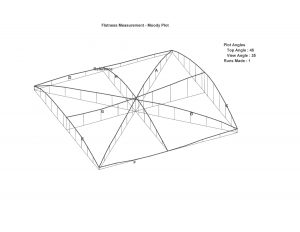
Düzlük Testinin 4 təsdiqlənmiş metodu var. Elektron səviyyələr, avtokollimasiya, lazer və müstəvi lokator kimi tanınan cihaz. Biz yalnız elektron səviyyələrdən istifadə edirik, çünki onlar bir neçə səbəbdən ən dəqiq və ən sürətli metoddur.
Lazerlər və avtokollimatorlar çox düz işıq şüasından istinad kimi istifadə edirlər. Səth lövhəsi ilə işıq şüası arasındakı məsafənin dəyişməsini müqayisə etməklə qranit səth lövhəsinin düzlüyünü ölçmək olar. Düz işıq şüasını götürərək, onu əks etdirici hədəfə vuraraq, əks etdirici hədəfi səth lövhəsi boyunca hərəkət etdirməklə, yayılan şüa ilə geri dönən şüa arasındakı məsafə düzlüyün ölçüsüdür.
Bu metodun problemi budur. Hədəf və mənbə vibrasiya, ətraf mühitin temperaturu, düz və ya cızıqlanmış hədəfdən daha az, havadakı çirklənmə və hava hərəkəti (cərəyanlar) tərəfindən təsirlənir. Bütün bunlar əlavə səhv komponentlərinə səbəb olur. Bundan əlavə, avtokollimatorla yoxlamalardan operator səhvinin töhfəsi daha böyükdür.
Təcrübəli avtokollimator istifadəçisi çox dəqiq ölçmələr apara bilər, lakin əks olunmaların genişlənməsinə və ya bir qədər bulanıqlaşmasına meylli olduğundan, xüsusən də daha uzun məsafələrdə göstəricilərin ardıcıllığı ilə bağlı problemlərlə üzləşir. Həmçinin, mükəmməl düz olmayan hədəf və linzadan uzun bir gün ərzində baxmaq əlavə xətalara səbəb olur.
Müstəvi lokator cihazı sadəcə axmaqcasınadır. Bu cihaz istinad olaraq bir qədər düz (son dərəcə düz kollimasiya edilmiş və ya lazer şüası ilə müqayisədə) istifadə edir. Mexaniki cihaz yalnız normalda cəmi 20 u düymlük qətnaməli bir göstəricidən istifadə etmir, həm də çubuğun və fərqli materialların düz olmaması ölçmə səhvlərinə əhəmiyyətli dərəcədə təsir göstərir. Bizim fikrimizcə, metod məqbul olsa da, heç bir səlahiyyətli laboratoriya heç vaxt müstəvi lokator cihazını son yoxlama aləti kimi istifadə etməz.
Elektron səviyyələr istinad kimi cazibə qüvvəsindən istifadə edir. Diferensial elektron səviyyələrə vibrasiya təsir etmir. Onların qətnaməsi 0,1 qövs saniyəsi qədər aşağıdır və ölçmələr sürətli, dəqiqdir və təcrübəli operatorun səhv töhfəsi çox azdır. Nə müstəvi lokatorları, nə də avtokollimatorlar səthin kompüter tərəfindən yaradılan topoqrafik (Şəkil 1) və ya izometrik qrafiklərini (Şəkil 2) təmin etmir.
Şəkil 2
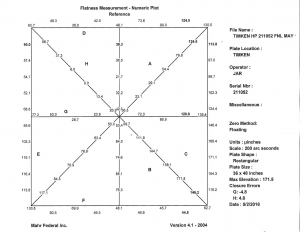
Səthin Düzgün Düzlüyü Testi
Səthin düzgün düzlüyü testi bu məqalənin o qədər vacib bir hissəsidir ki, onu əvvəlində yerləşdirməliydim. Daha əvvəl qeyd edildiyi kimi, Fed Spec. GGG-p-463c kalibrləmə metodu DEYİL. Bu, istənilən Federal Hökumət Agentliyi olan metrologiya dərəcəli qranitin bir çox aspektləri üçün bələdçi rolunu oynayır və bura sınaq metodları, tolerantlıqlar və ya dərəcələr də daxildir. Əgər podratçı Fed Specs-ə əməl etdiyini iddia edirsə, düzlük dəyəri Mudi Metodu ilə müəyyən edilməlidir.
Mudi 50-ci illərdən qalma ümumi müstəvini təyin etmək və sınaqdan keçirilmiş xətlərin istiqamətini, eyni müstəvidə kifayət qədər yaxın olub-olmadığını nəzərə almaq üçün riyazi metod hazırlayan bir adam idi. Heç nə dəyişməyib. Allied Signal riyazi metodu təkmilləşdirməyə çalışdı, lakin fərqlərin o qədər kiçik olduğuna görə səy göstərməyə dəyməz olduğu qənaətinə gəldi.
Səth lövhəsi podratçısı elektron səviyyələrdən və ya lazerdən istifadə edirsə, hesablamalarda ona kömək etmək üçün kompüterdən istifadə edir. Kompüter köməyi olmadan avtokollimasiyadan istifadə edən texnik oxunuşları əl ilə hesablamalıdır. Əslində isə, onlar hesablamır. Bu, çox uzun çəkir və açığı, çox çətin ola bilər. Mudi metodundan istifadə edərək düzlük testində texnik Union Jack konfiqurasiyasında səkkiz xətti düzlük üçün sınaqdan keçirir.
Moody Metodu
Mudi Metodu, səkkiz xəttin eyni müstəvidə olub olmadığını müəyyən etmək üçün riyazi bir üsuldur. Əks təqdirdə, eyni müstəvidə və ya onun yaxınlığında ola bilən və ya olmaya bilən sadəcə 8 düz xəttiniz var. Bundan əlavə, Fed Spec-ə riayət etdiyini iddia edən və avtokollimasiyadan istifadə edən podratçı,mütləqsəkkiz səhifəlik məlumat yaradır. Hər sətir üçün bir səhifə yoxlanılır ki, sınaqdan keçirilsin, təmir edilsin və ya hər ikisi aparılsın. Əks halda, podratçı əsl müstəvi dəyərinin nə olduğunu bilmir.
Əminəm ki, əgər siz də lövhələrinizi avtokollimasiyadan istifadə edərək podratçı tərəfindən kalibrləyənlərdənsinizsə, deməli, bu səhifələri heç vaxt görməmisiniz! Şəkil 3 nümunədiryalnız birÜmumi düzlüyü hesablamaq üçün səkkiz səhifəlik məlumat lazımdır. Bu cəhalətin və pis niyyətin bir göstəricisi hesabatınızda gözəl yuvarlaqlaşdırılmış rəqəmlərin olmasıdır. Məsələn, 200, 400, 650 və s. Düzgün hesablanmış dəyər real rəqəmdir. Məsələn, 325.4 u In. Podratçı hesablamaların Mudi metodundan istifadə etdikdə və texnik dəyərləri əl ilə hesabladıqda, səkkiz səhifəlik hesablama və izometrik qrafik almalısınız. İzometrik qrafik müxtəlif xətlər boyunca dəyişən hündürlükləri və seçilmiş kəsişmə nöqtələrini nə qədər məsafədən ayırdığını göstərir.
Şəkil 3(Müsbətliyi əl ilə hesablamaq üçün bu kimi səkkiz səhifə lazımdır. Podratçınız avtokollimasiyadan istifadə edirsə, niyə bunu əldə etmədiyinizi soruşmağı unutmayın!)
Şəkil 4
Ölçü Ölçmə Texnikləri ölçmə stansiyasından stansiyaya bucaqdakı dəqiqəlik dəyişiklikləri ölçmək üçün üstünlük verilən cihazlar kimi diferensial səviyyələrdən (Şəkil 4) istifadə edirlər. Səviyyələrin qətnaməsi 0,1 qövs saniyəsinə qədərdir (4 düymlük xizək istifadə edərək 5 u düym), olduqca sabitdir, vibrasiyadan, ölçülən məsafələrdən, hava cərəyanlarından, operator yorğunluğundan, hava çirklənməsindən və ya digər cihazlarda mövcud olan hər hansı bir problemdən təsirlənmir. Kompüter köməyi əlavə edin və tapşırıq nisbətən sürətli olur, yoxlamanı və ən əsası təmiri sübut edən topoqrafik və izometrik qrafiklər yaradır.
Düzgün Təkrarlanma Testi
Təkrar oxuma və ya təkrarlana bilmə ən vacib testdir. Təkrarlana bilmə testini aparmaq üçün istifadə etdiyimiz avadanlıq təkrar oxuma qurğusu, LVDT və yüksək dəqiqlikli oxumalar üçün zəruri olan gücləndiricidir. LVDT gücləndiricisini minimum 10 u düym və ya yüksək dəqiqlikli lövhələr üçün 5 u düym qətnaməsinə təyin etdik.
Əgər 35 u düym təkrarlanma tələbini yoxlamağa çalışırsınızsa, cəmi 20 u düym çözünürlüklü mexaniki indikatordan istifadə etmək faydasızdır. İndikatorların 40 u düym qeyri-müəyyənliyi var! Təkrar oxuma qurğusu hündürlük ölçən cihaz/hissə konfiqurasiyasını təqlid edir.
Təkrarlanma ümumi müstəvi ilə eyni deyil (Orta Müstəvi). Qranitdə təkrarlanmanı ardıcıl radius ölçüsü kimi düşünməyi xoşlayıram.
Şəkil 5
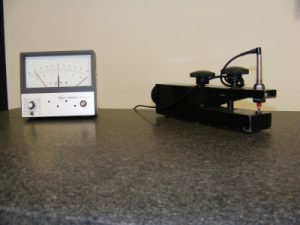
Əgər dəyirmi topun təkrarlanabilirliyini yoxlayırsınızsa, deməli, topun radiusunun dəyişmədiyini göstərmisiniz. (Düzgün təmir edilmiş lövhənin ideal profili qabarıq tac formasına malikdir.) Lakin, topun düz olmadığı aydındır. Bir növ. Çox qısa məsafədə düzdür. Yoxlama işlərinin əksəriyyəti hissəyə çox yaxın hündürlük ölçməsini əhatə etdiyindən, təkrarlanabilirlik qranit lövhənin ən vacib xüsusiyyətinə çevrilir. İstifadəçi uzun hissənin düzlüyünü yoxlamadığı təqdirdə ümumi düzlük daha vacibdir.
Podratçınızın təkrar oxuma testi apardığından əmin olun. Plitə tolerantlıqdan əhəmiyyətli dərəcədə kənara çıxan təkrar oxumaya malik ola bilər, lakin yenə də düzlük testindən keçə bilər! Təəccüblüdür ki, laboratoriya təkrar oxuma testini əhatə etməyən testlərdə akkreditasiya ala bilər. Təmir edə bilməyən və ya təmirdə çox yaxşı olmayan laboratoriya yalnız düzlük testi aparmağa üstünlük verir. Plitəni tərpətməsəniz, düzlük nadir hallarda dəyişir.
Təkrar oxuma testi ən asan sınaqdır, lakin sürtmə zamanı əldə etmək ən çətindir. Podratçınızın səthi "dağıtmadan" və ya səthdə dalğalar buraxmadan təkrarlanma qabiliyyətini bərpa edə biləcəyinə əmin olun.
Delta T Testi
Bu sınaq, daşın üst və alt səthlərində FƏQİQİ temperaturunun ölçülməsini və sertifikatda bildirilmək üçün fərqin, Delta T-nin hesablanmasını əhatə edir.
Qranitdə orta istilik genişlənmə əmsalının 3,5 uIn/Düym/dərəcə olduğunu bilmək vacibdir. Ətraf mühitin temperaturu və rütubətinin qranit lövhəyə təsiri əhəmiyyətsizdir. Lakin, səth lövhəsi tolerantlıqdan kənara çıxa bilər və ya bəzən 0,3 – 0,5 dərəcə Farengeyt Delta T-də olsa belə yaxşılaşa bilər. Delta T-nin son kalibrləmə ilə müqayisədə 0,12 dərəcə Farengeyt daxilində olub olmadığını bilmək lazımdır.
Plitələrin iş səthinin istiliyə doğru miqrasiya etdiyini də bilmək vacibdir. Əgər yuxarı temperatur altdan daha istidirsə, üst səth qalxır. Əgər alt hissə daha istidirsə, bu nadir hallarda olur, onda üst səth batır. Keyfiyyət meneceri və ya texnik üçün lövhənin kalibrləmə və ya təmir zamanı düz və təkrarlana biləcəyini bilmək kifayət deyil, lakin son kalibrləmə sınağı zamanı Delta T-nin necə olduğunu bilmək kifayətdir. Kritik vəziyyətlərdə istifadəçi Delta T-ni özü ölçməklə lövhənin yalnız Delta T dəyişiklikləri səbəbindən tolerantlıqdan çıxıb-çıxmadığını müəyyən edə bilər. Xoşbəxtlikdən, qranitin ətraf mühitə uyğunlaşması saatlarla və ya hətta günlərlə çəkir. Gün ərzində ətraf mühit temperaturundakı kiçik dalğalanmalar buna təsir etməyəcək. Bu səbəblərə görə, ətraf mühitin kalibrləmə temperaturu və ya rütubəti barədə məlumat vermirik, çünki təsirlər əhəmiyyətsizdir.
Qranit lövhə aşınması
Qranit polad lövhələrdən daha sərt olsa da, qranit səthində hələ də aşağı ləkələr əmələ gətirir. Səth lövhəsində hissələrin və ölçmə cihazlarının təkrarlanan hərəkəti, xüsusən də eyni sahə daim istifadədədirsə, aşınmanın ən böyük mənbəyidir. Lövhənin səthində qalmasına icazə verilən çirk və üyüdücü toz, hissələr və ya ölçmə cihazları ilə qranit səthi arasında keçdikcə aşınma prosesini sürətləndirir. Hissələri və ölçmə cihazlarını səthi boyunca hərəkət etdirərkən, aşındırıcı toz adətən əlavə aşınmaya səbəb olur. Aşınmanı azaltmaq üçün daimi təmizləməyi tövsiyə edirəm. Plitələrin üzərinə qoyulan gündəlik UPS paketləri səbəbindən lövhələrdə aşınmanın şahidi olmuşuq! Bu lokal aşınma sahələri kalibrləmə təkrarlanma testinin göstəricilərinə təsir göstərir. Mütəmadi olaraq təmizləməklə aşınmanın qarşısını alın.
Qranit Plitə Təmizləmə
Plitənin təmiz qalması üçün tozları təmizləmək üçün yapışqan parça istifadə edin. Yapışqan qalıqlarını buraxmamaq üçün çox yüngülcə basın. Yaxşı istifadə olunmuş yapışqan parça təmizləmələr arasında üyüdücü tozu əla şəkildə yığır. Eyni yerdə istifadə etməyin. Qurğunuzu boşqabın ətrafında hərəkət etdirin və aşınmanı paylayın. Plitənin təmizlənməsi üçün spirt istifadə etmək olar, lakin unutmayın ki, bu, səthi müvəqqəti olaraq çox soyudacaq. Az miqdarda sabunlu su əladır. Starrett təmizləyicisi kimi kommersiya məqsədli təmizləyicilərdən də istifadə etmək əladır, lakin bütün sabun qalıqlarını səthdən təmizlədiyinizdən əmin olun.
Qranit lövhə təmiri
Səth lövhəsi podratçınızın səriştəli bir kalibrləmə aparmasının vacibliyi artıq aydın olmalıdır. "Hər şeyi bir zənglə edin" proqramları təklif edən "Klirinq Evi" tipli laboratoriyalarda nadir hallarda təmir edə bilən bir texnik olur. Təmir təklif etsələr belə, səth lövhəsi dözümlülükdən əhəmiyyətli dərəcədə kənarda olduqda həmişə lazımi təcrübəyə malik bir texnik olmur.
Əgər lövhənin həddindən artıq aşınma səbəbindən təmir edilə bilməyəcəyi deyilərsə, bizə zəng edin. Çox güman ki, təmiri biz edə bilərik.
Texniklərimiz bir ildən bir ilə qədər yarım ilədək Baş Səth Lövhəsi Texnikinin rəhbərliyi altında təcrübə keçirlər. Biz Baş Səth Lövhəsi Texnikini təcrübə müddətini başa vurmuş və Səth Lövhəsinin kalibrlənməsi və təmiri sahəsində on ildən çox əlavə təcrübəyə malik şəxs kimi müəyyən edirik. Ölçü Ölçüsü şirkətində ümumilikdə 60 ildən çox təcrübəsi olan üç Baş Texnik var. Baş Texniklərimizdən biri çətin vəziyyətlər yarandıqda dəstək və rəhbərlik üçün hər zaman sizə xidmət göstərir. Bütün texniklərimiz kiçikdən çox böyükə qədər bütün ölçülərdə, müxtəlif ətraf mühit şəraitində, müxtəlif sənaye sahələrində və əsas aşınma problemlərində səth lövhələrinin kalibrlənməsi sahəsində təcrübəyə malikdir.
Fed Specs-in spesifik bitirmə tələbi 16 ilə 64 arasındadır. Orta hesab kobudluğu (AA). Biz 30-35 AA aralığında bitirməyə üstünlük veririk. Hissələrin və ölçü cihazlarının hamar hərəkət etməsini və səth lövhəsinə yapışmamasını və ya sıxılmamasını təmin etmək üçün kifayət qədər kobudluq olmalıdır.
Təmir zamanı lövhənin düzgün montaj və düzlüyünü yoxlayırıq. Quru sürtmə üsulundan istifadə edirik, lakin həddindən artıq aşınma hallarında, qranitdən əhəmiyyətli dərəcədə təmizlənmə tələb olunarsa, islanmış sürtmə üsulundan istifadə edirik. Texniklərimiz özləri təmizlik işlərini görürlər, onlar hərtərəfli, sürətli və dəqiqdirlər. Bu vacibdir, çünki qranit lövhə xidmətinin dəyəri boş vaxtınızı və istehsal itkisini əhatə edir. Səlahiyyətli təmir çox vacibdir və heç vaxt podratçı seçməməlisiniz, çünki qiymətə və ya rahatlığa görə. Bəzi kalibrləmə işləri yüksək ixtisaslı mütəxəssislər tələb edir. Bizdə belə bir şey var.
Yekun Kalibrləmə Hesabatları
Hər bir səth lövhəsinin təmiri və kalibrlənməsi üçün ətraflı peşəkar hesabatlar təqdim edirik. Hesabatlarımızda həm vacib, həm də müvafiq məlumatlar çoxdur. Fed Spec. təqdim etdiyimiz məlumatların əksəriyyətini tələb edir. ISO/IEC-17025 kimi digər keyfiyyət standartlarında olanlar istisna olmaqla, minimum Fed. Hesabatlar üçün spesifikasiyalar aşağıdakılardır:
- Ölçü (futla) (X' x X')
- Rəng
- Stil (Qısqac çıxıntılarının olmamasına və ya iki və ya dörd çıxıntıya aiddir)
- Elastikliyin Təxmini Modulu
- Orta Müstəvi Tolerantlığı (Dərəcə/Ölçüyə görə Müəyyən Edilir)
- Təkrar oxuma Tolerantlığı (diaqonal uzunluğu düymlərlə müəyyən edilir)
- Tapılan Orta Müstəvi
- Soldakı Orta Müstəvi
- Tapıldığı kimi oxunu təkrarlayın
- Soldakı kimi oxumağı təkrarlayın
- Delta T (Üst və alt səthlər arasında temperatur fərqi)
Əgər texnik səth lövhəsində sürtünmə və ya təmir işləri aparmalıdırsa, onda kalibrləmə sertifikatına etibarlı təmiri sübut etmək üçün topoqrafik və ya izometrik qrafik əlavə olunur.
ISO/IEC-17025 Akkreditasiyaları və onlara malik laboratoriyalar haqqında bir söz
Laboratoriyanın səth lövhəsinin kalibrlənməsi üzrə akkreditasiyası olması, onun nə etdiyini bildiyi anlamına gəlmir, hətta düzgün etdiyi anlamına gəlmir! Bu, laboratoriyanın təmir edə biləcəyi anlamına da gəlmir. Akkreditasiya orqanları yoxlama və ya kalibrləmə (təmir) arasında fərq qoymur.Avə mən birini tanıyıram, bəlkə də2akkreditasiya edən orqanlarLqalstukAƏgər onlara kifayət qədər pul ödəsəydim, itimin ətrafına lent taxdım! Bu, kədərli bir faktdır. Laboratoriyaların tələb olunan üç testdən yalnız birini yerinə yetirərək akkreditasiya aldığını görmüşəm. Üstəlik, laboratoriyaların qeyri-real qeyri-müəyyənliklə akkreditasiya aldığını və heç bir sübut və ya dəyərləri necə hesabladıqlarını nümayiş etdirmədən akkreditasiya aldığını görmüşəm. Bütün bunlar təəssüf doğurur.
Xülasə
Dəqiq qranit lövhələrin rolunu qiymətləndirməmək olmaz. Qranit lövhələrin təmin etdiyi düz istinad, bütün digər ölçmələrin aparıldığı təməldir.
Ən müasir, ən dəqiq və ən çox yönlü ölçmə alətlərindən istifadə edə bilərsiniz. Lakin, istinad səthinin düz olmadığı təqdirdə dəqiq ölçmələri müəyyən etmək çətindir. Bir dəfə potensial müştəri mənə dedi: "Yaxşı, bu, sadəcə qayadır!" Cavabım belə oldu: "Yaxşı, haqlısan və səth lövhələrinizin təmiri üçün mütəxəssislərin gəlməsini qətiyyən əsaslandıra bilməzsən."
Qiymət səth lövhəsi podratçılarını seçmək üçün heç vaxt yaxşı səbəb deyil. Alıcılar, mühasiblər və narahatedici sayda keyfiyyətli mühəndislər həmişə qranit lövhələrin yenidən sertifikatlaşdırılmasının mikrometr, kaliper və ya DMM-in yenidən sertifikatlaşdırılması kimi olmadığını başa düşmürlər.
Bəzi alətlər aşağı qiymət deyil, təcrübə tələb edir. Bununla belə, qiymətlərimiz çox münasibdir. Xüsusilə də işi düzgün yerinə yetirdiyimizə əmin olduğumuz üçün. Əlavə dəyər baxımından ISO-17025 və Federal Xüsusiyyətlər tələblərindən daha üstünük.
Səth lövhələri bir çox ölçülü ölçmələrin əsasını təşkil edir və ölçmə dəqiqliyini təmin etmək üçün səth lövhənizə düzgün qulluq etmək vacibdir.
Qranit, səth sərtliyi və temperatur dalğalanmalarına qarşı aşağı həssaslıq kimi ideal fiziki xüsusiyyətlərinə görə səth lövhələri üçün istifadə olunan ən populyar materialdır. Lakin, davamlı istifadə ilə səth lövhələri aşınmaya məruz qalır.
Düzlük və təkrarlanma dəqiq ölçmələr əldə etmək üçün lövhənin dəqiq səth təmin edib-etmədiyini müəyyən etmək üçün vacib aspektlərdir. Hər iki aspekt üçün tolerantlıqlar GGG-P-463C, DIN, GB, JJS Federal Spesifikasiyası altında müəyyən edilmişdir... Düzlük lövhədəki ən yüksək nöqtə (dam müstəvisi) ilə ən aşağı nöqtə (əsas müstəvisi) arasındakı məsafənin ölçülməsidir. Təkrarlanma, bir sahədən götürülmüş ölçmənin bütün lövhədə göstərilən tolerantlıq daxilində təkrarlana biləcəyini müəyyən edir. Bu, lövhədə heç bir zirvə və ya vadinin olmamasını təmin edir. Əgər oxunuşlar göstərilən qaydalar daxilində deyilsə, ölçmələri spesifikasiyaya qaytarmaq üçün yenidən səthləmə tələb oluna bilər.
Zamanla düzlüyü və təkrarlanabilirliyi təmin etmək üçün səth lövhəsinin müntəzəm kalibrlənməsi zəruridir. Cross şirkətinin dəqiq ölçmə qrupu səth lövhəsinin düzlüyü və təkrarlanabilirliyini kalibrləmək üçün ISO 17025 akkreditasiyasına malikdir. Biz aşağıdakı xüsusiyyətlərə malik Mahr Səth Lövhəsi Sertifikatlaşdırma Sistemindən istifadə edirik:
- Moody və Profil Təhlili,
- İzometrik və ya ədədi qrafiklər,
- Çoxlu Qaçış Ortalaması və
- Sənaye Standartlarına Uyğun Avtomatik Qiymətləndirmə.
Mahr Kompüter Dəstəkli Modeli mütləq səviyyədən hər hansı bir bucaq və ya xətti sapmanı müəyyən edir və səth plitələrinin yüksək dəqiqliklə profillənməsi üçün idealdır.
Kalibrləmələr arasındakı intervallar istifadə tezliyindən, lövhənin yerləşdiyi ətraf mühit şəraitindən və şirkətinizin xüsusi keyfiyyət tələblərindən asılı olaraq dəyişəcək. Səth lövhənizin düzgün saxlanılması hər kalibrləmə arasında daha uzun intervallara imkan verə bilər, təkrar yapışdırmanın əlavə xərcindən qaçınmanıza kömək edir və ən əsası lövhədə əldə etdiyiniz ölçmələrin mümkün qədər dəqiq olmasını təmin edir. Səth lövhələri möhkəm görünsə də, onlar dəqiq cihazlardır və belə davranılmalıdır. Səth lövhələrinizə qulluqla bağlı nəzərə alınmalı bəzi məqamlar:
- Plitəni təmiz saxlayın və mümkünsə istifadə edilmədikdə örtün
- Ölçüləcək ölçü cihazlarından və ya hissələrdən başqa boşqaba heç nə qoyulmamalıdır.
- Hər dəfə boşqabda eyni yerdən istifadə etməyin.
- Mümkünsə, boşqabı vaxtaşırı çevirin.
- Plitənizin yük həddinə riayət edin
Dəqiq Qranit Baza Dəzgahın Performansını Yaxşılaşdıra Bilər
Ümumiyyətlə, maşınqayırmada və xüsusilə dəzgah istehsalında tələblər daim artır. Xərcləri artırmadan maksimum dəqiqlik və performans dəyərlərinə nail olmaq rəqabətli olmağın daimi çətinliklərindən biridir. Dəzgah yatağı burada həlledici amildir. Buna görə də, getdikcə daha çox dəzgah istehsalçısı qranitə güvənir. Fiziki parametrlərinə görə, polad və ya polimer betonla əldə edilə bilməyən açıq üstünlüklər təklif edir.
Qranit, vulkanik dərinlikdəki bir qaya adlanır və olduqca aşağı genişlənmə əmsalı, aşağı istilik keçiriciliyi və yüksək vibrasiya söndürmə qabiliyyəti ilə çox sıx və homojen bir quruluşa malikdir.
Aşağıda qranitin əsasən yalnız yüksək səviyyəli koordinat ölçmə maşınları üçün maşın bazası kimi uyğun olduğu barədə ümumi fikrin niyə çoxdan köhnəldiyini və bu təbii materialın dəzgah bazası kimi yüksək dəqiqlikli dəzgahlar üçün belə polad və ya çuquna çox əlverişli alternativ olduğunu öyrənəcəksiniz.
Dinamik hərəkət üçün qranit komponentləri, xətti mühərriklər üçün qranit komponentləri, ndt üçün qranit komponentləri, rentgen üçün qranit komponentləri, cmm üçün qranit komponentləri, cnc üçün qranit komponentləri, lazer üçün qranit dəqiqliyi, aerokosmik üçün qranit komponentləri, dəqiq mərhələlər üçün qranit komponentləri istehsal edə bilərik...
Əlavə Xərclər Olmadan Yüksək Əlavə Dəyər
Maşınqayırmada qranitin artan istifadəsi poladın qiymətinin kütləvi şəkildə artması ilə bağlı deyil. Əksinə, qranitdən hazırlanmış dəzgah yatağı ilə əldə edilən dəzgah üçün əlavə dəyərin çox az və ya heç bir əlavə xərc olmadan əldə edilməsi ilə bağlıdır. Bu, Almaniya və Avropadakı tanınmış dəzgah istehsalçılarının qiymət müqayisələri ilə sübut olunur.
Qranitin mümkün etdiyi termodinamik sabitlik, vibrasiyanın azaldılması və uzunmüddətli dəqiqlikdə əhəmiyyətli dərəcədə artım çuqun və ya polad yataqla və ya yalnız nisbətən yüksək qiymətlə əldə edilə bilməz. Məsələn, istilik xətaları maşının ümumi xətasının 75%-ə qədərini təşkil edə bilər və kompensasiya tez-tez proqram təminatı ilə orta dərəcədə uğurla həyata keçirilir. Aşağı istilik keçiriciliyinə görə qranit uzunmüddətli dəqiqlik üçün daha yaxşı təməldir.
1 μm tolerantlıqla, qranit, 00 dəqiqlik dərəcəsi üçün DIN 876-ya uyğun olaraq düzlük tələblərinə asanlıqla cavab verir. 1-dən 10-a qədər sərtlik şkalasında 6 dəyəri ilə olduqca sərtdir və 2,8 q/sm³ xüsusi çəkisi ilə demək olar ki, alüminium dəyərinə çatır. Bu, həmçinin daha yüksək yem sürətləri, daha yüksək ox sürətlənmələri və kəsici dəzgahlar üçün alət ömrünün uzadılması kimi əlavə üstünlüklərə səbəb olur. Beləliklə, tökmə platformadan qranit platformaya keçid, sözügedən dəzgahı dəqiqlik və performans baxımından heç bir əlavə xərc olmadan yüksək səviyyəli sinfə keçirir.
Qranitin Təkmilləşdirilmiş Ekoloji İzi
Polad və ya çuqun kimi materiallardan fərqli olaraq, təbii daş çoxlu enerji ilə və əlavələrdən istifadə etməklə istehsal olunmağa ehtiyac duymur. Karxana və səth emalı üçün yalnız nisbətən az miqdarda enerji tələb olunur. Bu, üstün ekoloji iz yaradır və hətta maşının ömrünün sonunda belə, material kimi poladdan daha üstündür. Qranit yatağı yeni bir maşın üçün əsas ola bilər və ya yol tikintisi üçün doğrama kimi tamamilə fərqli məqsədlər üçün istifadə edilə bilər.
Qranit üçün də heç bir resurs çatışmazlığı yoxdur. Bu, yer qabığındakı maqmadan əmələ gələn dərin bir qayadır. Milyonlarla ildir ki, "yetkinləşib" və bütün Avropa da daxil olmaqla, demək olar ki, bütün qitələrdə təbii sərvət kimi çox böyük miqdarda mövcuddur.
Nəticə: Qranitin polad və ya çuqunla müqayisədə çoxsaylı nümayiş etdirilən üstünlükləri mexaniki mühəndislərin bu təbii materialdan yüksək dəqiqlikli, yüksək məhsuldarlıqlı dəzgahlar üçün təməl kimi istifadə etməyə artan həvəsini əsaslandırır. Dəzgahlar və mexaniki mühəndislik üçün faydalı olan qranitin xüsusiyyətləri haqqında ətraflı məlumatı bu məqalədə tapa bilərsiniz.
Təkrar ölçmə yerli düzlük sahələrinin ölçülməsidir. Təkrar Ölçmə spesifikasiyasında lövhənin səthinin istənilən yerində aparılan ölçmənin göstərilən tolerantlıq daxilində təkrarlanacağı bildirilir. Yerli düzlüyün ümumi düzlükdən daha sıx idarə olunması səth düzlüyü profilində tədricən dəyişikliyi təmin edir və bununla da yerli səhvləri minimuma endirir.
İdxal olunmuş brendlər də daxil olmaqla, əksər istehsalçılar ümumi düzlük tolerantlıqlarının Federal Spesifikasiyasına riayət edirlər, lakin bir çoxları təkrar ölçmələri nəzərə almırlar. Bu gün bazarda mövcud olan aşağı dəyərli və ya büdcəli lövhələrin çoxu təkrar ölçmələrə zəmanət vermir. Təkrar ölçmələrə zəmanət verməyən istehsalçı ASME B89.3.7-2013 və ya Federal Spesifikasiya GGG-P-463c və ya DIN 876, GB, JJS tələblərinə cavab verən lövhələr istehsal etmir...
Hər ikisi dəqiq ölçmələr üçün dəqiq bir səth təmin etmək üçün vacibdir. Ölçmə dəqiqliyini təmin etmək üçün təkcə düzlük spesifikasiyası kifayət deyil. Misal olaraq, YALNIZ .000300 düymlük düzlük spesifikasiyasına cavab verən 36 X 48 Təftiş Dərəcəli A səth lövhəsini götürün. Əgər yoxlanılan hissə bir neçə zirvəni körpüləşdirirsə və istifadə olunan ölçü cihazı aşağı nöqtədədirsə, ölçmə xətası bir sahədə tam tolerantlıq 000300 düym ola bilər! Əslində, ölçü cihazı yamacın yamacında dayanırsa, bu, daha yüksək ola bilər.
Yamacın şiddətindən və istifadə olunan ölçmə cihazının qol uzunluğundan asılı olaraq .000600"-.000800" xətaları mümkündür. Əgər bu lövhənin Təkrar Ölçmə spesifikasiyası .000050"FIR olarsa, ölçmə lövhənin harada aparılmasından asılı olmayaraq ölçmə xətası .000050"-dən az olardı. Adətən təlim keçməmiş bir texnik lövhəni yerində yenidən səthləməyə çalışdıqda ortaya çıxan digər bir problem, lövhəni təsdiqləmək üçün yalnız Təkrar Ölçmələrdən istifadə edilməsidir.
Təkrarlanabilirliyi yoxlamaq üçün istifadə edilən cihazlar ümumi düzlüyü yoxlamaq üçün nəzərdə tutulmayıb. Mükəmməl əyri bir səthdə sıfıra qoyulduqda, səthin mükəmməl düz, ya da mükəmməl içbükey və ya qabarıq 1/2 düym olmasından asılı olmayaraq, sıfır oxumağa davam edəcəklər! Onlar sadəcə səthin vahidliyini yoxlayırlar, düzlüyü yox. Yalnız həm düzlük spesifikasiyasına, həm də təkrar ölçmə spesifikasiyasına cavab verən lövhə ASME B89.3.7-2013 və ya Federal Spesifikasiya GGG-P-463c tələblərinə həqiqətən cavab verir.
Ask us about or flatness specification and repeat measurement promise by calling +86 19969991659 or emailing INFO@ZHHIMG.COM
Bəli, amma bunlar yalnız müəyyən bir şaquli temperatur qradiyenti üçün təmin edilə bilər. Qradiyentdə dəyişiklik olarsa, lövhədəki istilik genişlənməsinin təsiri asanlıqla tolerantlıqdan daha böyük dəqiqlikdə dəyişiklik yarada bilər. Bəzi hallarda, tolerantlıq kifayət qədər sıx olarsa, yuxarıdan işıqlandırmadan udulan istilik bir neçə saat ərzində kifayət qədər qradiyent dəyişikliyinə səbəb ola bilər.
Qranitin istilik genişlənmə əmsalı hər 1°F üçün təxminən 0,0000035 düym/düymdür. Misal üçün: 36" x 48" x 8" ölçülü səth lövhəsi 0°F meylində 0,000075" (AA dərəcəlinin 1/2-si) dəqiqliyə malikdir, üst və alt temperatur eynidir. Əgər lövhənin üst hissəsi altdan 1°F daha isti olan nöqtəyə qədər isinərsə, dəqiqlik 0,000275" qabarıqlığa dəyişəcək! Buna görə də, Laboratoriya Dərəcəli AA-dan daha sərt tolerantlığa malik lövhə sifariş etmək yalnız kifayət qədər iqlim nəzarəti olduqda nəzərdən keçirilməlidir.
Səth lövhəsi 3 nöqtədən dayaq altında olmalıdır, ideal olaraq lövhənin uclarından uzunluğunun 20%-i içəridə yerləşir. İki dayaq uzun tərəflərdən eninin 20%-i içəridə yerləşdirilməli və qalan dayaq mərkəzdə olmalıdır. Yalnız 3 nöqtə dəqiq səthdən başqa hər hansı bir səth üzərində möhkəm dayana bilər.
İstehsal zamanı lövhə bu nöqtələrdə, istifadə zamanı isə yalnız bu üç nöqtədə dəstəklənməlidir. Lövhəni üçdən çox nöqtədə dəstəkləməyə çalışmaq, lövhənin istehsal zamanı dəstəkləndiyi eyni 3 nöqtə olan üç nöqtənin müxtəlif kombinasiyalarından dəstək almasına səbəb olacaq. Bu, lövhənin yeni dayaq düzülüşünə uyğunlaşmaq üçün əyilməsi nəticəsində səhvlərə səbəb olacaq. Bütün zhhimg polad dayaqları müvafiq dayaq nöqtələri ilə bir xətt çəkmək üçün hazırlanmış dayaq şüalarına malikdir.
Əgər lövhə düzgün şəkildə dayaqlanıbsa, dəqiq hamarlama yalnız tətbiqiniz tələb etdikdə lazımdır. Düzgün dayaqlanmış lövhənin dəqiqliyini qorumaq üçün hamarlama tələb olunmur.
Niyə Qranit SeçimiMaşın BazalarıvəMetrologiya Komponentləri?
Demək olar ki, hər tətbiq üçün cavab "bəli"dir. Qranitin üstünlüklərinə aşağıdakılar daxildir: Paslanmaz və ya korroziyaya davamlı, əyilməyə qarşı demək olar ki, immunitetlidir, deşildikdə kompensasiyaedici qabarcıq yoxdur, daha uzun aşınma müddəti, daha hamar hərəkət, daha yüksək dəqiqlik, demək olar ki, maqnitsiz, aşağı istilik genişlənməsi əmsalı və aşağı texniki xidmət xərcləri.
Qranit, həddindən artıq möhkəmliyi, sıxlığı, davamlılığı və korroziyaya davamlılığına görə karxanadan çıxarılan bir növ maqmatik süxurdur. Lakin qranit həm də çox yönlüdür - yalnız kvadratlar və düzbucaqlılar üçün deyil! Əslində, Starrett Tru-Stone, müntəzəm olaraq bütün variasiyaların formalarında, bucaqlarında və əyrilərində hazırlanmış qranit komponentləri ilə əla nəticələrlə inamla işləyir.
Ən müasir emal texnologiyalarımız sayəsində kəsilmiş səthlər olduqca düz ola bilər. Bu keyfiyyətlər qraniti xüsusi ölçülü və xüsusi dizaynlı maşın bazaları və metrologiya komponentləri yaratmaq üçün ideal material halına gətirir. Qranit:
maşınla işlənə bilən
kəsildikdə və bitdikdə dəqiq düz
paslanmaya davamlı
davamlı
uzunömürlü
Qranit komponentlərini təmizləmək də asandır. Xüsusi dizaynlar hazırlayarkən, üstün üstünlüklərinə görə qranit seçdiyinizə əmin olun.
STANDARTLAR/ YÜKSƏK GEYİM TƏTBİQLƏRİ
ZhongHui tərəfindən standart səth lövhələri məhsullarımız üçün istifadə edilən qranit yüksək kvars tərkibinə malikdir ki, bu da aşınmaya və zədələnməyə qarşı daha yüksək müqavimət təmin edir. Üstün Qara və Kristal Çəhrayı rənglərimiz aşağı su udma nisbətlərinə malikdir və bu da dəqiq ölçən cihazlarınızın lövhələrə yapışdırılarkən paslanma ehtimalını minimuma endirir. ZhongHui tərəfindən təklif olunan qranitin rəngləri daha az parıltıya səbəb olur ki, bu da lövhələrdən istifadə edən şəxslər üçün daha az göz yorğunluğu deməkdir. Bu aspekti minimum səviyyədə saxlamaq üçün istilik genişlənməsini nəzərə alaraq qranit növlərimizi seçmişik.
XÜSUSİ TƏTBİQLƏR
Tətbiqiniz xüsusi formalı, yivli əlavələr, yuvalar və ya digər emal üsullarına malik lövhə tələb etdikdə, Qara Diabase kimi bir material seçməlisiniz. Bu təbii material üstün sərtlik, əla vibrasiya susdurma və təkmilləşdirilmiş emal qabiliyyəti təklif edir.
Bəli, əgər onlar çox pis aşınmayıbsa. Zavod parametrlərimiz və avadanlıqlarımız lövhənin düzgün kalibrlənməsi və zəruri hallarda yenidən işlənməsi üçün optimal şərait yaradır. Ümumiyyətlə, lövhə tələb olunan tolerantlıqdan 0,001 düym daxilindədirsə, yerində yenidən səthlənə bilər. Əgər lövhə tolerantlıqdan 0,001 düymdən çox aşınıbsa və ya pis şəkildə çuxurlanıbsa və ya deşilibsə, təkrar cilalamadan əvvəl üyüdülməsi üçün fabrikə göndərilməlidir.
Yerində kalibrləmə və səth təmiri üzrə mütəxəssis seçərkən çox diqqətli olmalısınız. Kalibrləmə xidmətinizi seçərkən diqqətli olmağınızı tövsiyə edirik. Akkreditasiya üçün müraciət edin və texnikin istifadə edəcəyi avadanlığın Milli Təftiş Təşkilatı tərəfindən izlənilə bilən kalibrlənməsinə malik olduğunu yoxlayın. Dəqiq qranitin düzgün şəkildə necə dövrə vurulacağını öyrənmək uzun illər çəkir.
ZhongHui fabrikimizdə aparılan kalibrləmələrin tez bir zamanda həyata keçirilməsini təmin edir. Mümkünsə, lövhələrinizi kalibrləmə üçün göndərin. Keyfiyyətiniz və nüfuzunuz səth lövhələri də daxil olmaqla ölçmə cihazlarınızın dəqiqliyindən asılıdır!
Qara səth lövhələrimizin sıxlığı xeyli yüksəkdir və üç dəfəyə qədər sərtdir. Buna görə də, qara lövhənin əyilməyə qarşı bərabər və ya daha çox müqavimət göstərməsi üçün eyni ölçülü qranit lövhə qədər qalın olmasına ehtiyac yoxdur. Azaldılmış qalınlıq daha az çəki və daha aşağı çatdırılma xərcləri deməkdir.
Eyni qalınlıqda daha aşağı keyfiyyətli qara qranitdən istifadə edənlərdən ehtiyatlı olun. Yuxarıda qeyd edildiyi kimi, qranitin ağac və ya metal kimi xüsusiyyətləri materialdan və rəngdən asılı olaraq dəyişir və sərtliyin, sərtliyin və ya aşınma müqavimətinin dəqiq göstəricisi deyil. Əslində, qara qranit və diabazın bir çox növü çox yumşaqdır və səth lövhələri üçün uyğun deyil.
Xeyr. Bu əşyaların yenidən işlənməsi üçün lazım olan ixtisaslaşdırılmış avadanlıq və təlim onların kalibrləmə və yenidən işlənmə üçün fabrikə qaytarılmasını tələb edir.
Bəli. Keramika və qranitin oxşar xüsusiyyətləri var və qranitin kalibrlənməsi və aşındırılması üçün istifadə olunan üsullar keramika məmulatları ilə də istifadə edilə bilər. Keramika qranitdən daha çətin aşındırılır və bu da daha yüksək qiymətə səbəb olur.
Bəli, əlavələr səthin altında girintili olması şərtilə. Polad əlavələr səth müstəvisi ilə eyni səviyyədədirsə və ya səthin üstündədirsə, lövhənin üzərinə sürtülməzdən əvvəl onlar aşağıya doğru üzü aşağı olmalıdır. Lazım gələrsə, biz bu xidməti təmin edə bilərik.
Bəli. İstədiyiniz yivli (ingilis və ya metrik) polad əlavələr istənilən yerlərdə lövhəyə epoksi yapışdırıla bilər. ZhongHui, +/- 0.005 düym aralığında ən sıx yerləşdirmə yerlərini təmin etmək üçün CNC maşınlarından istifadə edir. Daha az kritik əlavələr üçün yivli əlavələr üçün yer tolerantlığımız ± 0.060 düymdür. Digər seçimlərə birbaşa qranitə işlənmiş polad T-formalı çubuqlar və göyərçin yuvaları daxildir.
Yüksək möhkəmlikli epoksi və yaxşı işçilik ilə düzgün şəkildə yapışdırılmış əlavələr çoxlu burulma və kəsmə qüvvəsinə davam gətirəcək. Bu yaxınlarda 3/8"-16 ölçülü yivli əlavələrdən istifadə edərək müstəqil sınaq laboratoriyası epoksi ilə yapışdırılmış əlavəni səth lövhəsindən çəkmək üçün tələb olunan qüvvəni ölçdü. On lövhə sınaqdan keçirildi. Bu on halda, doqquz halda, qranit əvvəlcə sınıb. Uğursuzluq nöqtəsində orta yük boz qranit üçün 10.020 funt, qara üçün isə 12.310 funt olub. Əlavənin lövhədən sərbəst şəkildə çıxarıldığı tək halda, sınıq nöqtəsindəki yük 12.990 funt olub! Əgər iş parçası əlavə üzərində körpü əmələ gətirirsə və həddindən artıq fırlanma momenti tətbiq olunursa, qranitin sınığı üçün kifayət qədər qüvvə yaratmaq mümkündür. Qismən bu səbəbdən, ZhongHui epoksi ilə yapışdırılmış əlavələrə tətbiq edilə bilən maksimum təhlükəsiz fırlanma momenti üçün təlimatlar verir: https://www.zhhimg.com/standard-thread-inserts-product/
Bəli, amma yalnız fabrikimizdə. Zavodumuzda, demək olar ki, istənilən lövhəni "yeni kimi" vəziyyətə gətirə bilərik, adətən onu dəyişdirməyin yarısından az xərcinə. Zədələnmiş kənarlar kosmetik olaraq yamaqlana, dərin yivlər, kəsiklər və çuxurlar üyüdülə və bərkidilmiş dayaqlar dəyişdirilə bilər. Bundan əlavə, spesifikasiyalarınıza uyğun olaraq, bərk və ya yivli polad əlavələr əlavə etməklə və yuvaları və ya sıxıcı dodaqları kəsməklə lövhənizin çox yönlülüyünü artıra bilərik.
Niyə Qranit seçməlisiniz?
Qranit milyonlarla il əvvəl Yer kürəsində əmələ gəlmiş maqmatik süxur növüdür. Maqmatik süxurun tərkibində son dərəcə sərt və aşınmaya davamlı olan kvars kimi bir çox mineral var idi. Sərtlik və aşınma müqavimətinə əlavə olaraq, qranitin genişlənmə əmsalı çuqundan təxminən iki dəfə azdır. Həcm çəkisi çuqunun təxminən üçdə biri olduğundan, qranitin manevr edilməsi daha asandır.
Maşın bazaları və metrologiya komponentləri üçün ən çox istifadə edilən rəng qara qranitdir. Qara qranit digər rənglərə nisbətən daha yüksək faizli kvarsa malikdir və buna görə də ən davamlıdır.
Qranit qənaətcildir və kəsilmiş səthlər olduqca düz ola bilər. Həddindən artıq dəqiqliyə nail olmaq üçün yalnız əl ilə sürtməklə deyil, həm də boşqabı və ya masanı yerindən tərpətmədən yenidən kondisionerləmə də edilə bilər. Bu, tamamilə əl ilə sürtmə əməliyyatıdır və ümumiyyətlə çuqun alternativini yenidən kondisionerləşdirməkdən daha ucuzdur.
Bu keyfiyyətlər qraniti xüsusi ölçülü və xüsusi dizaynlı maşın bazaları və metrologiya komponentləri kimi yaratmaq üçün ideal material halına gətirir.qranit səth lövhəsi.
ZhongHui, xüsusi ölçmə tələblərini dəstəkləmək üçün hazırlanmış xüsusi qranit məhsulları istehsal edir. Bu xüsusi məhsullar fərqlidirdüz kənarlar toüç kvadratQranitin çox yönlü təbiətinə görə,komponentlərİstənilən ölçüdə istehsal edilə bilər; onlar davamlı və uzunömürlüdür.
Qranit Səth Plitələrinin Üstünlükləri
Düz səthdə ölçmənin vacibliyi 1800-cü illərdə Britaniyalı ixtiraçı Henri Modsli tərəfindən müəyyən edilmişdir. Dəzgah alətləri üzrə ixtiraçı kimi, o, hissələrin ardıcıl istehsalının etibarlı ölçmələr üçün möhkəm bir səth tələb etdiyini müəyyən etmişdir.
Sənaye inqilabı ölçmə səthlərinə tələbat yaratdı, buna görə də mühəndislik şirkəti Crown Windley istehsal standartlarını yaratdı. Səth lövhələri üçün standartlar ilk dəfə 1904-cü ildə Crown tərəfindən metaldan istifadə etməklə müəyyən edildi. Metala tələbat və qiymət artdıqca ölçmə səthi üçün alternativ materiallar araşdırıldı.
Amerikada abidənin yaradıcısı Uolles Herman qara qranitin metala alternativ olaraq əla səth lövhəsi materialı olduğunu müəyyən etdi. Qranit maqnitsiz olduğundan və paslanmadığından, tezliklə üstünlük verilən ölçmə səthinə çevrildi.
Qranit səth lövhəsi laboratoriyalar və sınaq müəssisələri üçün vacib bir investisiyadır. 600 x 600 mm ölçülü qranit səth lövhəsi dayaq dayağına quraşdırıla bilər. Dayaqlar düzəldilməsi üçün beş tənzimlənən nöqtə ilə 34 düym (0,86 m) işçi hündürlüyü təmin edir.
Etibarlı və ardıcıl ölçmə nəticələri üçün qranit səth lövhəsi çox vacibdir. Səth hamar və sabit bir müstəvi olduğundan, cihazların diqqətlə idarə olunmasına imkan verir.
Qranit səth plitələrinin əsas üstünlükləri aşağıdakılardır:
• Əks etdirməyən
• Kimyəvi maddələrə və korroziyaya davamlıdır
• Dəmir arabası ilə müqayisədə genişlənmə əmsalı aşağı olduğundan temperatur dəyişikliyindən daha az təsirlənir
• Təbii sərt və davamlıdır
• Cızıqlandıqda səthin müstəvisi təsirlənmir
• Paslanmaz
• Maqnitsiz
• Təmizlənməsi və saxlanması asandır
• Kalibrləmə və yenidən səthləmə işləri yerində aparıla bilər
• Yivli dayaq əlavələri üçün qazma üçün uyğundur
• Yüksək vibrasiya söndürmə
Bir çox emalatxana, yoxlama otaqları və laboratoriyalar üçün dəqiq ölçmə üçün əsas kimi dəqiq qranit səth lövhələrinə etibar edilir. Hər bir xətti ölçmə son ölçülərin götürüldüyü dəqiq istinad səthindən asılı olduğundan, səth lövhələri emaldan əvvəl iş yoxlaması və düzülüşü üçün ən yaxşı istinad müstəvisini təmin edir. Onlar həmçinin hündürlük ölçmələri və səthlərin ölçülməsi üçün ideal əsaslardır. Bundan əlavə, yüksək dərəcədə düzlük, sabitlik, ümumi keyfiyyət və işçilik onları mürəkkəb mexaniki, elektron və optik ölçü sistemlərinin quraşdırılması üçün yaxşı seçim halına gətirir. Bu ölçmə proseslərinin hər hansı biri üçün səth lövhələrinin kalibrlənməsi vacibdir.
Ölçmələri və Düzlüyü Təkrarlayın
Həm düzlük, həm də təkrar ölçmələr dəqiq səthi təmin etmək üçün vacibdir. Düzlük, səthdəki bütün nöqtələrin iki paralel müstəvidə, əsas müstəvidə və dam müstəvisində yerləşməsi kimi qəbul edilə bilər. Müstəvilər arasındakı məsafənin ölçülməsi səthin ümumi düzlüyüdür. Bu düzlük ölçüsü ümumiyyətlə tolerantlığa malikdir və dərəcə təyinatını da əhatə edə bilər.
Üç standart dərəcə üçün düzlük tolerantlıqları federal spesifikasiyada aşağıdakı düsturla müəyyən edilir:
Laboratoriya Dərəcəsi AA = (40 + diaqonal² / 25) x 0.000001 düym (birtərəfli)
Yoxlama dərəcəsi A = Laboratoriya dərəcəsi AA x 2
Alət Otağı B dərəcəsi = Laboratoriya dərəcəsi AA x 4
Düzlükdən əlavə, təkrarlanma təmin edilməlidir. Təkrar ölçmə yerli düzlük sahələrinin ölçülməsidir. Bu, lövhənin səthində istənilən yerdə aparılan və göstərilən tolerantlıq daxilində təkrarlanan bir ölçmədir. Yerli düzlüyü ümumi düzlükdən daha sərt bir tolerantlığa qədər idarə etmək, səth düzlüyü profilində tədricən dəyişikliyi təmin edir və bununla da yerli səhvləri minimuma endirir.
Səth lövhəsinin həm düzlük, həm də təkrar ölçmə spesifikasiyalarına cavab verməsini təmin etmək üçün qranit səth lövhələri istehsalçıları spesifikasiyaları üçün əsas kimi GGG-P-463c Federal Spesifikasiyasından istifadə etməlidirlər. Bu standart təkrar ölçmə dəqiqliyini, səth lövhəsi qranitlərinin material xüsusiyyətlərini, səthin rənglənməsini, dayaq nöqtəsinin yerini, sərtliyini, məqbul yoxlama metodlarını və yivli əlavələrin quraşdırılmasını əhatə edir.
Səth lövhəsi ümumi düzlük üçün spesifikasiyadan kənara çıxmazdan əvvəl, aşınmış və ya dalğalı dirəklər görünəcək. Təkrar ölçmə cihazından istifadə edərək təkrar ölçmə səhvləri üçün aylıq yoxlama aşınma ləkələrini müəyyən edəcək. Təkrar ölçmə cihazı yerli xətanı aşkar edən və yüksək böyüdücü elektron gücləndiricidə göstərilə bilən yüksək dəqiqlikli bir cihazdır.
Plitə Dəqiqliyinin Yoxlanılması
Bir neçə sadə qaydaya əməl etməklə, qranit səth lövhəsinə qoyulan investisiya uzun illər davam etməlidir. Lövhənin istifadəsindən, emalatxana mühitindən və tələb olunan dəqiqlikdən asılı olaraq, səth lövhəsinin dəqiqliyinin yoxlanılması tezliyi dəyişir. Ümumi qayda olaraq, yeni lövhənin satın alındıqdan sonra bir il ərzində tam yenidən kalibrlənməsi lazımdır. Lövhənin tez-tez istifadə edildiyi təqdirdə, bu intervalı altı aya endirmək məsləhətdir.
Səth lövhəsi ümumi düzlük üçün spesifikasiyadan kənara çıxmazdan əvvəl, aşınmış və ya dalğalı dirəklər görünəcək. Təkrar ölçmə cihazından istifadə edərək təkrar ölçmə səhvləri üçün aylıq yoxlama aşınma ləkələrini müəyyən edəcək. Təkrar ölçmə cihazı yerli xətanı aşkar edən və yüksək böyüdücü elektron gücləndiricidə göstərilə bilən yüksək dəqiqlikli bir cihazdır.
Effektiv yoxlama proqramına avtokollimatorla müntəzəm yoxlamalar daxil edilməlidir ki, bu da Milli Standartlar və Texnologiya İnstitutuna (NIST) izlənilə bilən ümumi düzlüyün faktiki kalibrlənməsini təmin etməlidir. Zaman zaman istehsalçı və ya müstəqil şirkət tərəfindən hərtərəfli kalibrləmə zəruridir.
Kalibrləmələr Arasındakı Variasiyalar
Bəzi hallarda, səth lövhələrinin kalibrlənməsi arasında fərqlər mövcuddur. Bəzən aşınma nəticəsində səth dəyişikliyi, yoxlama avadanlığının səhv istifadəsi və ya kalibrlənməmiş avadanlığın istifadəsi kimi amillər bu fərqləri izah edə bilər. Lakin ən çox yayılmış iki amil temperatur və dayaqdır.
Ən vacib dəyişənlərdən biri temperaturdur. Məsələn, səth kalibrləmədən əvvəl isti və ya soyuq məhlul ilə yuyulmuş və normallaşması üçün kifayət qədər vaxt verilməmiş ola bilər. Temperatur dəyişikliyinin digər səbəblərinə soyuq və ya isti havanın qaralmaları, birbaşa günəş işığı, yuxarıdan işıqlandırma və ya lövhənin səthində digər şüalanma istilik mənbələri daxildir.
Qış və yay arasında şaquli temperatur qradiyentində də dəyişikliklər ola bilər. Bəzi hallarda, lövhənin daşınmadan sonra normallaşması üçün kifayət qədər vaxt verilmir. Kalibrləmə aparıldığı zaman şaquli qradiyent temperaturunu qeyd etmək yaxşı bir fikirdir.
Kalibrləmə dəyişikliyinin digər ümumi səbəbi, lövhənin düzgün dəstəklənməməsidir. Səth lövhəsi üç nöqtədə dəstəklənməlidir, ideal olaraq lövhənin uclarından uzunluğun 20%-i içəridə olmalıdır. İki dayaq uzun tərəflərdən eninin 20%-i içəridə, qalan dayaq isə mərkəzdə olmalıdır.
Dəqiq səthdən başqa hər hansı bir səth üzərində yalnız üç nöqtə möhkəm dayana bilər. Plitəni üçdən çox nöqtədə dəstəkləməyə çalışmaq, lövhənin istehsal zamanı dəstəkləndiyi üç nöqtə ilə eyni olmayan müxtəlif üç nöqtə kombinasiyalarından dəstək almasına səbəb olacaq. Bu, lövhənin yeni dayaq düzülüşünə uyğunlaşmaq üçün əyilməsi nəticəsində səhvlərə səbəb olacaq. Düzgün dayaq nöqtələri ilə bir xətt çəkmək üçün hazırlanmış dayaq şüaları olan polad dayaqlardan istifadə etməyi düşünün. Bu məqsəd üçün dayaqlar ümumiyyətlə səth lövhəsi istehsalçısından əldə edilə bilər.
Əgər lövhə düzgün şəkildə dayaqlanıbsa, dəqiq hamarlama yalnız tətbiq tərəfindən göstərildiyi təqdirdə lazımdır. Düzgün dayaqlanmış lövhənin dəqiqliyini qorumaq üçün hamarlama tələb olunmur.
Lövhəni təmiz saxlamaq vacibdir. Havada olan aşındırıcı toz, adətən, lövhədə ən böyük aşınma və yırtılma mənbəyidir, çünki o, iş parçalarına və ölçmə cihazlarının təmas səthlərinə hopmağa meyllidir. Lövhələri tozdan və zədələrdən qorumaq üçün örtün. İstifadə edilmədikdə lövhəni örtməklə aşınma ömrünü uzatmaq olar.
Plitənin ömrünü uzatın
Bir neçə qaydaya riayət etmək qranit səth lövhəsindəki aşınmanı azaldacaq və nəticədə ömrünü uzadacaq.
Birincisi, lövhəni təmiz saxlamaq vacibdir. Havada olan aşındırıcı toz, adətən, lövhədə ən böyük aşınma və yırtılma mənbəyidir, çünki o, iş parçalarına və ölçmə cihazlarının təmas səthlərinə hopmağa meyllidir.
Həmçinin, lövhələri tozdan və zədələrdən qorumaq üçün onları örtmək vacibdir. İstifadə edilmədikdə lövhəni örtməklə aşınma ömrünü uzatmaq olar.
Tək bir sahənin həddindən artıq istifadə edilməməsi üçün lövhəni vaxtaşırı çevirin. Həmçinin, ölçmə cihazlarındakı polad təmas yastıqlarını karbid yastıqları ilə əvəz etmək tövsiyə olunur.
Yemək və ya alkoqolsuz içkiləri boşqaba qoymaqdan çəkinin. Bir çox alkoqolsuz içkilərdə ya karbon, ya da fosfor turşusu olur ki, bu da daha yumşaq mineralları həll edə və səthində kiçik çuxurlar yarada bilər.
Harada təkrarlamaq olar
Qranit səth lövhəsinin yenidən səthlənməsinə ehtiyac olduqda, bu xidmətin yerində, yoxsa kalibrləmə müəssisəsində aparılmasını nəzərdən keçirin. Lövhənin fabrikdə və ya xüsusi bir müəssisədə yenidən yapışdırılması həmişə üstünlük təşkil edir. Lakin, lövhə çox pis aşınmayıbsa, ümumiyyətlə tələb olunan tolerantlıqdan 0,001 düym daxilindədirsə, yerində yenidən səthləşdirilə bilər. Əgər lövhə tolerantlıqdan 0,001 düymdən çox aşınıbsa və ya pis şəkildə çuxurlanıbsa və ya yarılıbsa, yenidən yapışdırmadan əvvəl üyüdülməsi üçün fabrikə göndərilməlidir.
Kalibrləmə müəssisəsində lövhənin düzgün kalibrlənməsi və zəruri hallarda yenidən işlənməsi üçün optimal şərait təmin edən avadanlıq və zavod parametrləri mövcuddur.
Yerində kalibrləmə və səthlərin yenidən örtülməsi üzrə mütəxəssis seçilərkən çox diqqətli olmaq lazımdır. Akkreditasiya üçün müraciət edin və texnikin istifadə edəcəyi avadanlığın NIST tərəfindən izlənilə bilən kalibrlənməsinə malik olduğunu yoxlayın. Təcrübə də vacib amildir, çünki dəqiq qranit döşəməni necə düzgün şəkildə sürtməyi öyrənmək uzun illər tələb edir.
Kritik ölçmələr dəqiq qranit səth lövhəsindən əsas xətt kimi başlayır. Düzgün kalibrlənmiş səth lövhəsindən istifadə etməklə etibarlı bir istinad təmin etməklə istehsalçılar etibarlı ölçmələr və daha keyfiyyətli hissələr üçün vacib vasitələrdən birinə malikdirlər.
Kalibrləmə Variasiyaları üçün Yoxlama Siyahısı
- Səth kalibrləmədən əvvəl isti və ya soyuq məhlul ilə yuyulmuş və normallaşması üçün kifayət qədər vaxt verilməmişdir.
- Plitə düzgün dəstəklənmir.
- Temperatur dəyişikliyi.
- Qaralamalar.
- Plitənin səthinə birbaşa günəş işığı və ya digər istilik şüaları düşməsin. Üstdən işıqlandırmanın səthi qızdırmadığından əmin olun.
- Qış və yay arasında şaquli temperatur qradiyentindəki dəyişikliklər. Mümkünsə, kalibrləmə aparıldığı zaman şaquli qradiyent temperaturunu bilin.
- Göndərildikdən sonra lövhənin normallaşması üçün kifayət qədər vaxt verilməyib.
- Yoxlama avadanlığının düzgün istifadə edilməməsi və ya kalibrlənməmiş avadanlıqların istifadəsi.
- Aşınma nəticəsində səth dəyişikliyi.
Texniki məsləhətlər
Hər xətti ölçmə, son ölçülərin alındığı dəqiq bir istinad səthindən asılı olduğundan, səth lövhələri emaldan əvvəl iş yoxlaması və düzülüşü üçün ən yaxşı istinad müstəvisini təmin edir.
Yerli düzlüyün ümumi düzlükdən daha sərt bir tolerantlığa qədər idarə olunması, səth düzlüyü profilində tədricən dəyişikliyi təmin edir və bununla da yerli səhvləri minimuma endirir.